
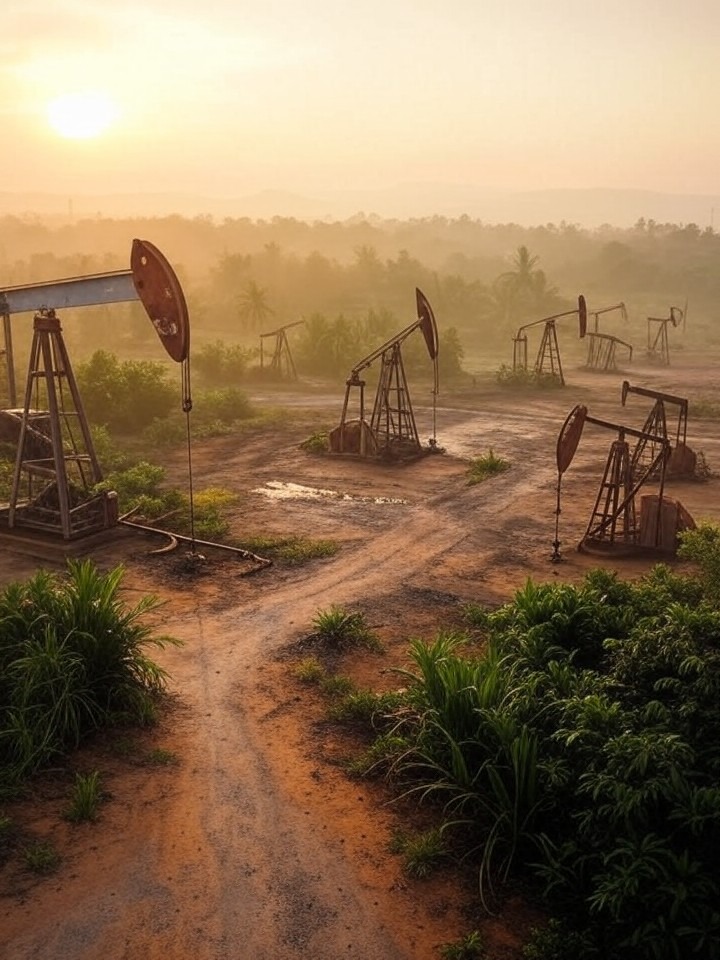
• A strategic push to restore Venezuela’s energy sector President Trump and administration officials are actively encouraging major U.S. energy companies to revitalize Venezuela's oil infrastructure. The administration highlighted the steep decline in output—from over 3 million barrels per day in the early 2000s to roughly 1 million today—and estimated that rebuilding the sector would require approximately $100 billion.
• Framing investment as the recovery of seized assets During the televised meeting, President Trump characterized the initiative as an opportunity for American producers to recover assets he stated were "stolen" during past nationalizations. This refers to the 2007 seizure of foreign assets under former leader Hugo Chávez, which led to billions of dollars in arbitration claims.
• Assurances of safety and government cooperation The President promised "total safety" for operations, clarifying that security would be maintained by the companies and Venezuela rather than U.S. troops. Additionally, officials noted cooperation from Venezuela's interim government, with Secretary of State Marco Rubio announcing plans to export 30 to 50 million barrels of oil based on an agreement with the new leadership.
How it may affect me
As a U.S. reader: The announced export of 30 to 50 million barrels of Venezuelan oil could eventually impact global energy supply levels as the administration seeks to reverse production declines.
Shareholders in U.S. firms like Chevron and Exxon Mobil may face exposure to new risks and opportunities as executives weigh heavy investments against legal and security concerns.
The President clarified that U.S. troops will not be deployed to protect energy operations, leaving security responsibilities to private companies and the Venezuelan government.
A potential $100 billion reconstruction of Venezuela’s energy sector remains uncertain, as industry leaders require stable contracts and legal frameworks before committing capital to the region.