
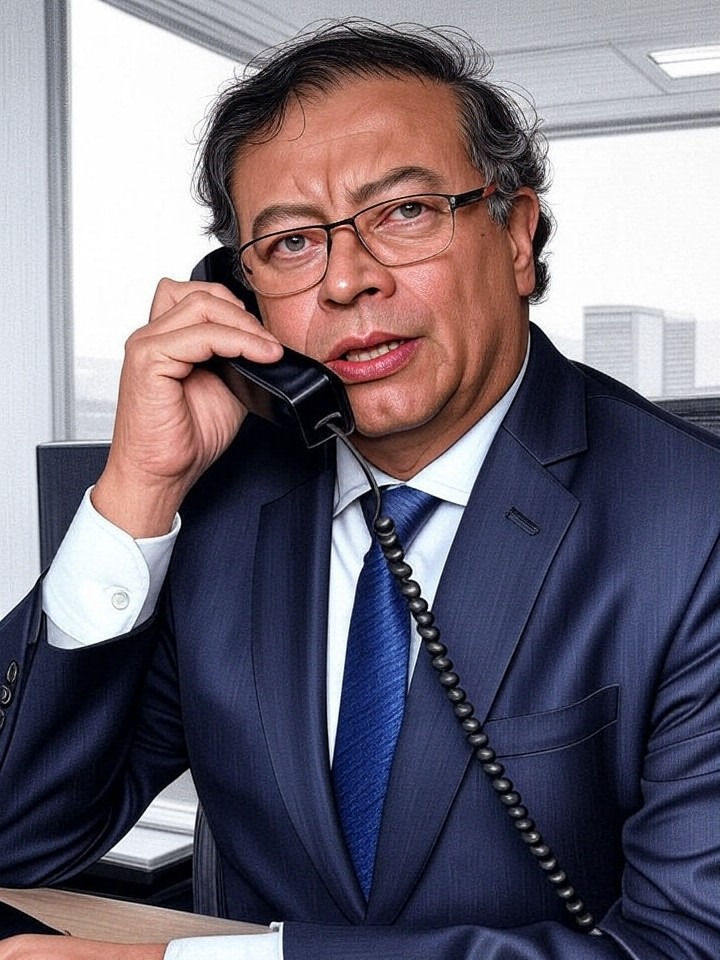
• Emphasis on Colombian law enforcement efforts During the 55-minute call, President Petro reportedly spent 40 minutes detailing Colombia’s work in seizing illegal drugs. He argued that the United States is largely unaware of the extent of his country's successes in combating narcotics trafficking.
• Skepticism regarding opposition leadership Petro stated that both he and President Trump expressed distrust in Venezuelan opposition figure María Corina Machado. According to the Colombian president, Trump specifically remarked that he did not believe Machado possessed the necessary support to be a viable leader for the country.
• Engagement with current regime officials Advocating for dialogue to avoid broader conflict, Petro has maintained channels with the acting Venezuelan administration. He has invited Acting President Delcy Rodriguez to the Colombian presidential palace and suggested that Trump may support a shared governance model between the regime and the opposition.
How it may affect me
As a U.S. reader: The enforcement of a blockade on Venezuelan oil tankers and reported U.S. interest in oil reserves may influence energy supplies and fuel prices for American consumers.
High-level discussions regarding Colombia's drug seizure operations could lead to shifts in strategy concerning the flow of illegal narcotics into U.S. communities.
Continued instability involving armed militias and U.S. seizures of foreign vessels may escalate regional tensions, potentially requiring increased American military or diplomatic involvement.
The presence of Nicolás Maduro in U.S. custody guarantees a complex federal legal process that will utilize taxpayer-funded judicial and security resources.