
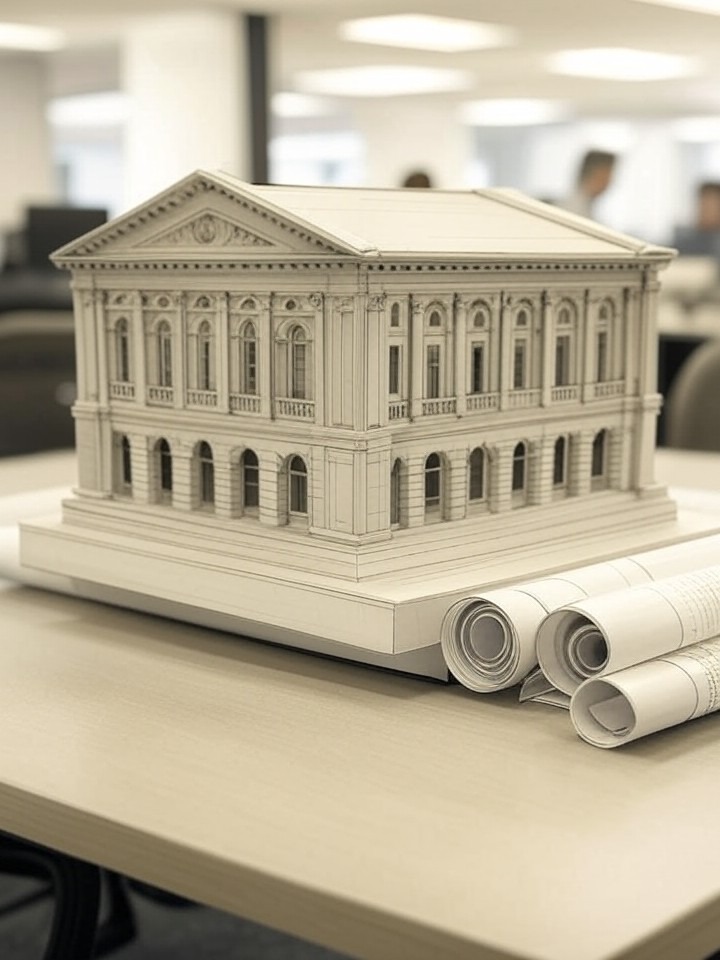
• Demolition was deemed structurally necessary Josh Fisher, director of the White House Office of Administration, stated that saving the East Wing was not feasible due to severe maintenance issues. He cited mold contamination, water leakage, and an unstable colonnade as factors that made demolition more favorable than renovation according to a cost analysis.
• Current hosting facilities are considered inadequate Will Scharf, the commission's chairman, argued that the executive mansion requires a permanent and elegant space to properly host dignitaries. Officials contend that the current practice of utilizing tents and portable toilets on the South Lawn is insufficient for high-level events.
• Private funding and security considerations President Donald Trump has stated that the $400 million initiative is being funded privately. regarding the timing of the demolition, Fisher responded to inquiries by noting that certain aspects of the project were of a "top secret nature."
How it may affect me
As a U.S. reader: Taxpayers may avoid direct costs for the $400 million construction if current private funding claims hold true, distinguishing this project from typical federally funded infrastructure updates.
Ongoing litigation regarding bypassed reviews could influence future legal standards for modifying federal historic properties and the scope of executive authority over public buildings without congressional approval.
Citizens interested in federal historic preservation will have an opportunity to engage with the planning process during a formal review involving public testimony scheduled for later this year.
Visitors to the capital will observe significant structural changes to the White House complex, including the permanent removal of the East Wing and the addition of a massive event facility.