
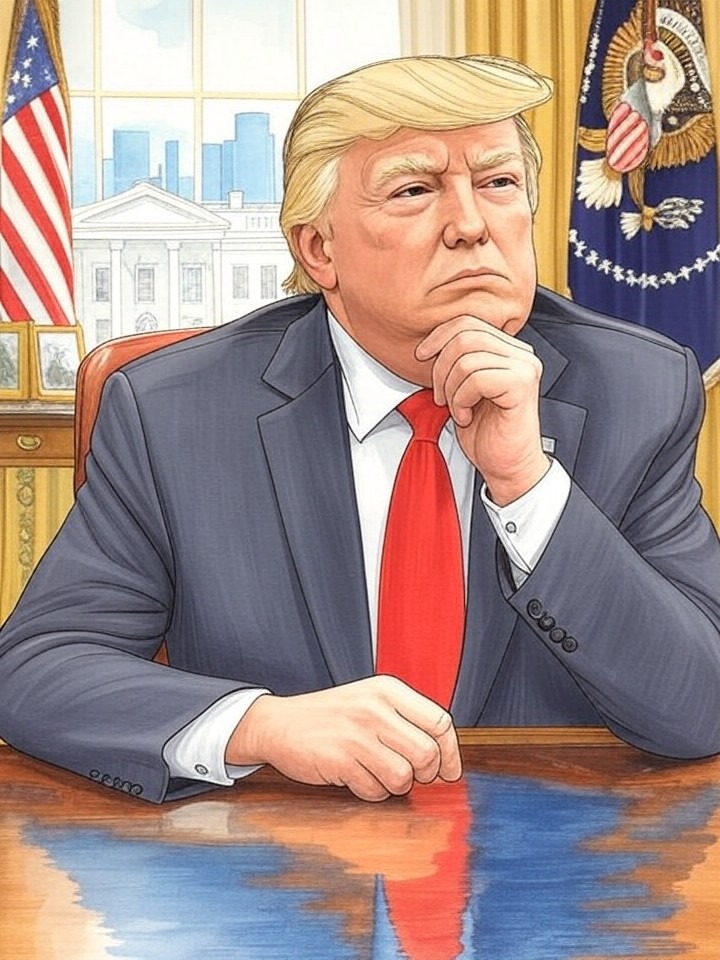
• Officials are prepared to implement alternative authorities immediately if necessary National Economic Council Director Kevin Hassett stated that the White House has developed contingency plans to maintain trade levies should the current authorization be struck down. Hassett indicated that these alternative legal mechanisms could be put into place "basically immediately" to ensure trade policy continuity.
• The government aims to preserve the revenue stream for national financial goals According to the Treasury Department, total duty revenue reached $215.2 billion for the 2025 fiscal year. The administration has signaled its intention to use these funds to pay down the national debt and provide dividends for Americans.
• Trade representatives are working to ensure existing international deals remain intact While officials expect to win the court case, they have mapped out tools to "reproduce the deals" previously made with other nations. U.S. Trade Representative Jamieson Greer has reportedly been involved in the preparations to achieve the "same place" regarding trade policy regardless of the ruling.
How it may affect me
As a U.S. reader: Consumers buying imported goods like wine and toys should expect tariff-related costs to persist, as officials plan to immediately use alternative authorities if the current law is struck down.
Public funding initiatives, including potential dividends for citizens and national debt payments, rely on preserving the $215.2 billion duty revenue that the administration aims to protect through contingency plans.
U.S. trade policy and international deals will likely remain unchanged in the short term, as officials have mapped out strategies to replicate current arrangements regardless of the legal outcome.