
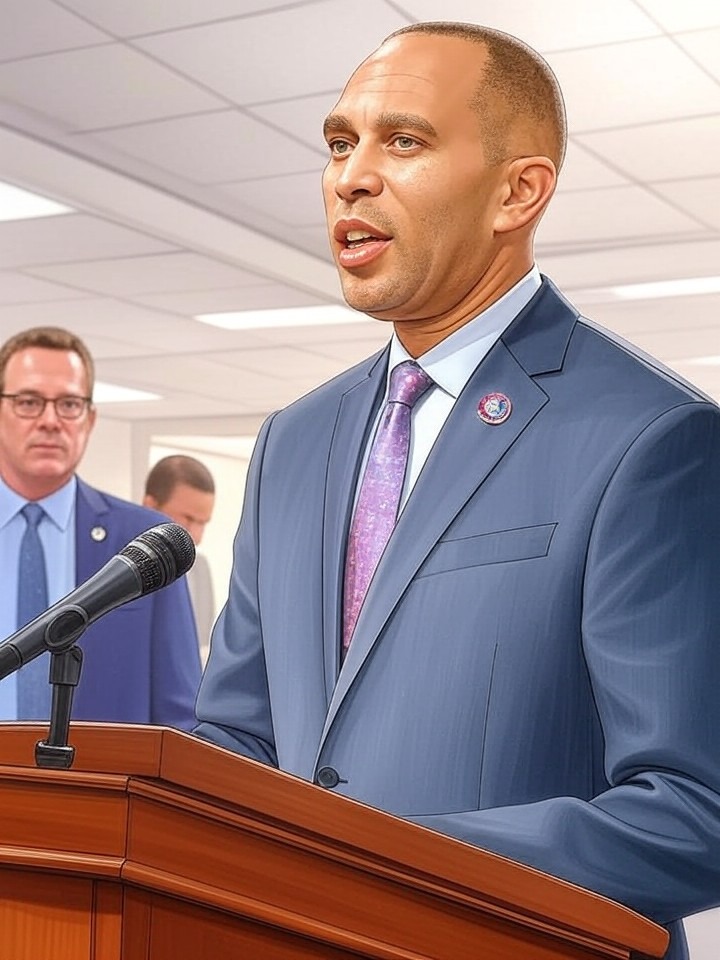
• Preventing financial harm to residents Supporters of the bill argued that the expiration of subsidies on December 31 had already resulted in rising health insurance premiums. Representative Derrick Van Orden, one of the Republicans supporting the measure, described the vote as a "bridging mechanism" intended to give time for policy adjustments without harming residents.
• Bipartisan urgency to address the lapse The legislation passed with support from all House Democrats and 17 Republicans, some of whom noted their constituents relied on the programs. Representative David Valadao indicated that he had been urging leadership to address the issue for months prior to the vote.
• Procedural action against inaction House Democrats utilized a discharge petition to bypass leadership and force the bill to the floor after the credits expired. Minority Leaders Hakeem Jeffries and Chuck Schumer criticized GOP leadership for allowing the lapse to occur in the first place.
How it may affect me
As a U.S. reader:
• You may face continued higher health insurance premiums due to the December 31 expiration of subsidies unless this bill or a compromise measure is enacted.
• Your access to future subsidies remains uncertain, as the House bill faces Senate opposition and alternative proposals may limit the extension to two years.
• A potential Senate compromise could alter your qualification for aid through new income eligibility caps or adjustments to open enrollment periods.
• Future legislation may include stricter oversight or structural reforms, as critics of the current bill argue that the system requires protection against fraud and abuse.