
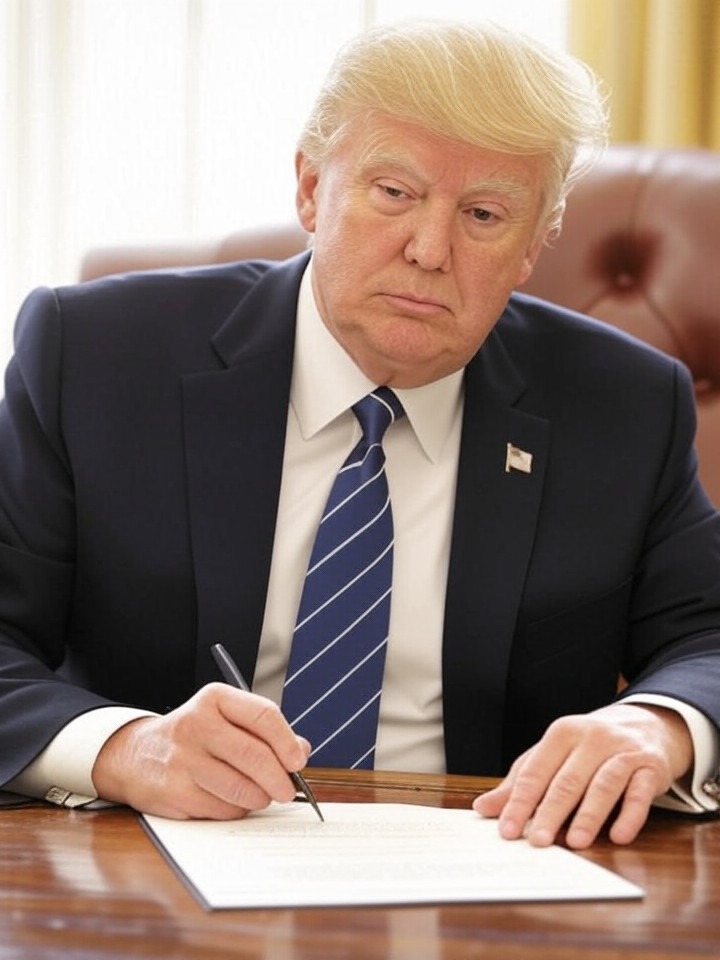
• Opposition to federal funding for local projects President Trump justified the vetoes by describing the legislation as "taxpayer handouts" that the federal government should not support. Regarding the Colorado water conduit project specifically, the President argued that local communities should bear the associated costs rather than relying on federal assistance.
• Alignment with administration policy goals In reference to the Florida bill, the President stated that his administration would not provide funding to special interests that are unaligned with his policies. As a specific factor for this decision, Trump cited the Miccosukee Tribe's lawsuit against an immigration detention center.
• Grievances regarding state-level legal decisions The President expressed grievances concerning the state of Colorado's refusal to pardon a former election official who had been convicted of tampering with voting machines. Trump linked this refusal to his decision to veto the infrastructure bill intended for the state.
How it may affect me
As a U.S. reader:
• Rural communities in Colorado expecting a new water conduit will not receive federal assistance, likely requiring local authorities to fund the project or delaying access to drinking water supplies.
• The Miccosukee Tribe will remain without expanded control over Everglades land in Florida after the administration rejected the transfer due to policy misalignments and litigation regarding immigration centers.
• Communities seeking federal infrastructure aid may face denials if the administration categorizes the projects as local financial responsibilities or "taxpayer handouts" rather than federal obligations.
• Legislation passing with bipartisan support may still fail to become law if linked to unrelated disputes, such as state legal decisions or conflicts between lawmakers and the White House.