
Iranian leadership vows decisive crackdown as internet blackout hits spreading protests

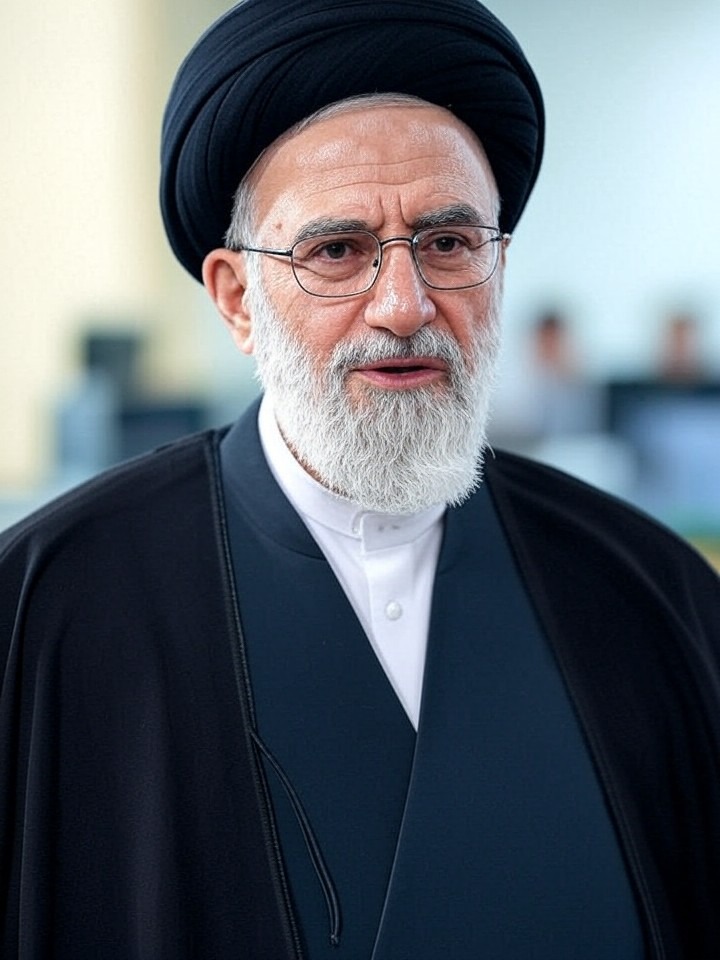
Illustration for: Iranian leadership vows decisive crackdown as internet blackout hits spreading protests
AI-generated illustration. Visual interpretation does not represent real individuals or scenes.

THE BARE STORY

Iranian authorities have imposed a nationwide communications blackout as anti-government demonstrations spread across the country, entering their second week. On Friday, the country’s Supreme Leader and Judiciary Chief signaled an impending escalation in the state's response, vowing "decisive" punishment for those participating in the unrest. The protests, which began in late December over economic grievances and a collapsing currency, have evolved into a broader challenge to the ruling system.

Monitoring organizations confirmed a significant disruption to internet connectivity and international phone lines starting Thursday, a tactic often used by the state to restrict the flow of information during periods of dissent. Despite the digital blockade, reports and video footage purported to show crowds in Tehran and other major cities chanting anti-regime slogans and burning pro-government banners. The latest surge in activity coincided with a call by exiled Crown Prince Reza Pahlavi for public demonstrations.

Casualty figures remain disputed due to the information clampdown. A U.S.-based human rights monitor reported that at least 42 people have been killed and more than 2,200 detained since the protests began. Iranian state media has acknowledged a smaller number of fatalities, including security personnel, while characterizing demonstrators as "rioters" and "terrorists."

Tehran has accused the protesters of acting as "mercenaries" for the United States and Israel. In response to the crackdown, U.S. President Donald Trump warned that his administration would retaliate "very hard" if the Iranian government kills protesters. Iranian Supreme Leader Ayatollah Ali Khamenei dismissed the U.S. warnings, stating that the regime would not back down in the face of what he termed foreign-instigated vandalism.

Same Facts. Different Perspectives.

Two AI models. Two viewpoints. One factual foundation.

• Demonstrations are driven by economic and political grievances The protests reportedly began in late December as a reaction to a collapsing currency and general economic grievances. These initial concerns have since evolved into a broader challenge to the ruling system, coinciding with calls for public demonstrations by exiled Crown Prince Reza Pahlavi.

• The government is suppressing information and rights Monitoring organizations confirmed a nationwide communications blackout, cutting off internet and international phone lines. This disruption is viewed by critics as a deliberate tactic to restrict the flow of information and hide the extent of the dissent from the outside world.

• There are concerns over high civilian casualties and detentions A U.S.-based human rights monitor reports that at least 42 people have been killed and more than 2,200 detained since the unrest began. In response to reports of violence, U.S. President Donald Trump warned the Iranian government that his administration would retaliate if protesters are killed.

How it may affect me

As a U.S. reader:

• You may be unable to contact individuals in Iran due to the nationwide blackout affecting internet connectivity and international phone lines confirmed by monitoring organizations.

• You should expect potential changes in U.S. foreign policy actions after the President warned that his administration would retaliate "very hard" if the Iranian government kills protesters.

• You will likely encounter limited real-time information from the region as the digital blockade restricts the flow of news and video footage regarding the unrest.

Read the story at

Note: All TheBareNews content is AI-generated. For additional context, reporting, and updates, you are invited to explore the news outlets linked above.