
• Legislation aims to prevent rising costs The bill seeks to renew enhanced tax credits that expired at the end of 2025, a lapse that has sparked concerns regarding increased insurance premiums for millions of Americans. Proponents, including Democrats and moderate Republicans, argue that extending these subsidies is essential to prevent exacerbating an affordability crisis for consumers.
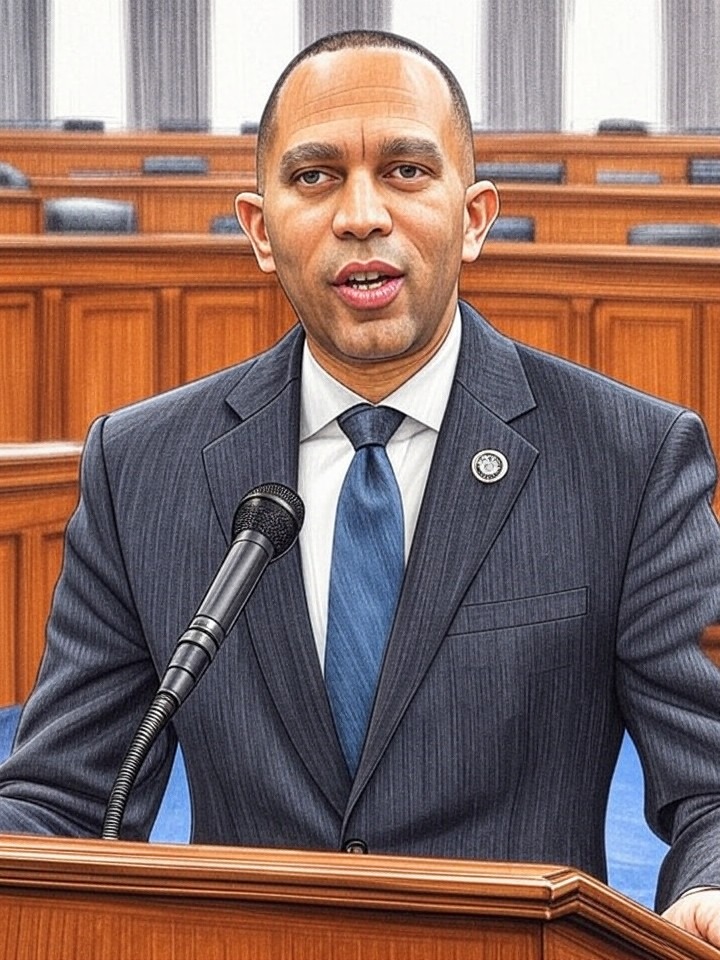
• Bipartisan coalition forced the vote The legislation advanced via a discharge petition led by Minority Leader Hakeem Jeffries, a procedural tool used to circumvent House leadership and force a vote. Every Democrat and nine Republicans supported the measure, successfully overriding the objections of Speaker Mike Johnson to move the bill forward.
• Addressing unresolved fiscal disputes The expiration of these tax credits was a central point of contention during the historic government shutdown that occurred last October and November. By pushing for a three-year extension, supporters aim to resolve the policy gap that contributed to previous legislative gridlock and stabilize the healthcare market.
How it may affect me
As a U.S. reader:
Millions of Americans facing higher insurance premiums following the 2025 expiration of subsidies may see costs stabilize if this legislation or a compromise is eventually enacted.
Immediate financial relief remains uncertain as the Senate is expected to reject the current House version, requiring further negotiations to finalize any extension of healthcare tax credits.
Final legislation may differ from the House proposal, potentially resulting in a shorter two-year subsidy extension or the inclusion of reforms like expanded Health Savings Accounts.
Ongoing disputes regarding the Hyde Amendment and federal abortion funding restrictions could delay the final passage of any deal intended to address the healthcare affordability crisis.