
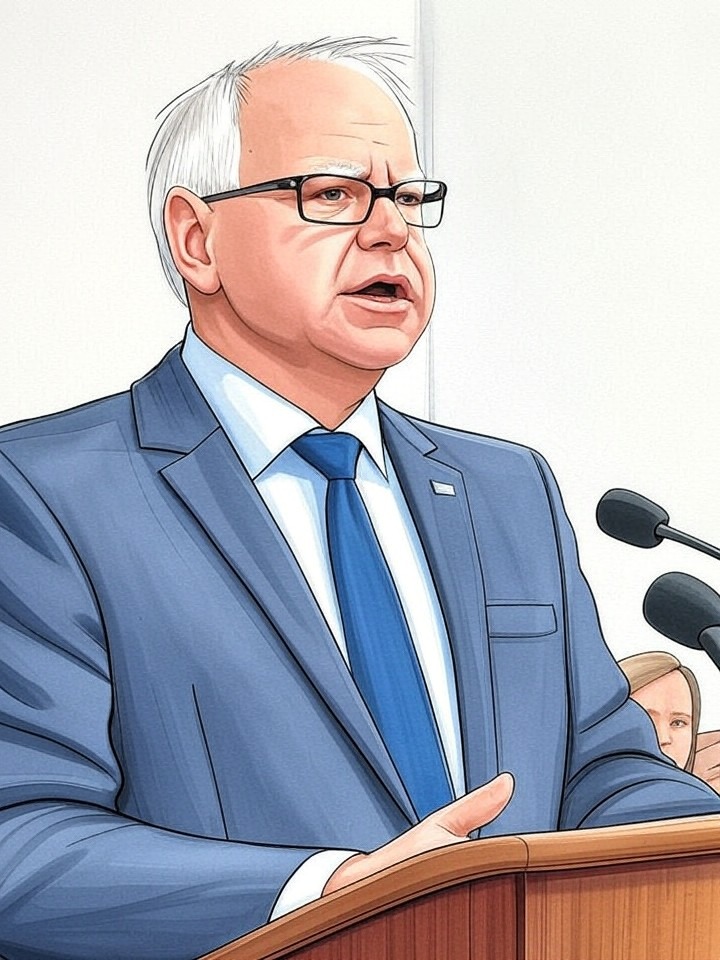
• Video evidence allegedly contradicts the federal self-defense narrative Minnesota Governor Tim Walz and Minneapolis Mayor Jacob Frey explicitly dispute the federal account of the shooting, citing video evidence they claim undermines the justification for the use of lethal force. They argue that this footage contradicts the assertion that the agent was acting in necessary self-defense during the encounter.
• The victim is characterized as a legal observer rather than a threat City officials describe Renee Nicole Good as a legal observer who was present near the enforcement operation but was not the target of any arrest. This characterization challenges federal allegations that she was stalking officers or acting as an aggressor prior to the fatal incident.
• Exclusion of state investigators raises concerns about fairness Governor Walz and Congressional Democrats have criticized the decision by federal agencies to deny the Minnesota Bureau of Criminal Apprehension access to evidence and interviews. They argue that a probe led solely by federal agencies without state involvement creates distrust and jeopardizes the potential for a fair and transparent outcome.
How it may affect me
As a U.S. reader: Residents in cities like Minneapolis and New York may face travel disruptions or safety risks due to ongoing protests and confrontations between demonstrators and federal agents.
The exclusion of state authorities from the investigation suggests a potential reduction in local oversight and transparency during future federal law enforcement incidents in your community.
You may witness reduced cooperation between local and federal law enforcement, as Minneapolis officials have demanded ICE agents leave the city amidst disputes over investigative access.