
• The operation is framed as a necessary law enforcement action to remove an illegitimate leader and support a recognized replacement. House leadership argues that the mission does not require congressional approval because it constitutes a law enforcement operation rather than a war, focusing on removing Nicolás Maduro to face drug-trafficking charges. The administration maintains the legality of its actions by citing the United States’ recognition of Edmundo Gonzalez as the winner of the 2024 elections and Venezuela's legitimate leader.
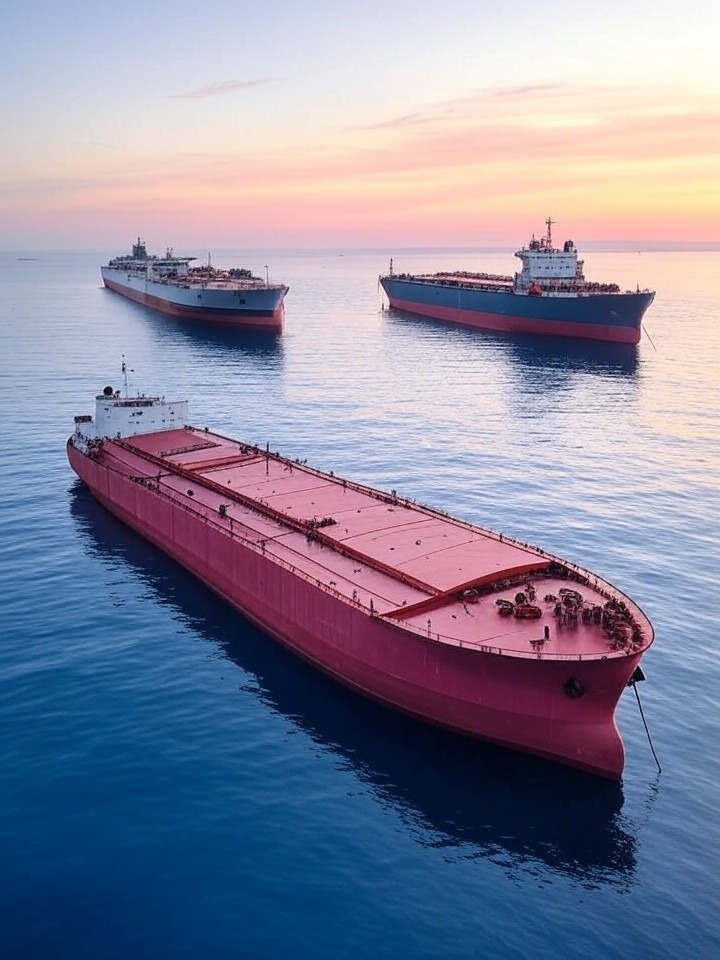
• Control over energy resources is presented as a vital step to fund reconstruction and benefit the economy. Officials state that the United States intends to manage Venezuela's oil reserves to generate revenue, with Secretary of State Marco Rubio asserting that these funds will be used for the benefit of the Venezuelan people. The White House is actively scheduling meetings with executives from major oil corporations to discuss potential investments aimed at repairing the country's dilapidated infrastructure.
• The United States asserts it is maintaining security and governance without deploying ground troops. President Trump stated that the U.S. is now "in charge" of the country, while the White House confirmed that no American troops are currently on the ground. To maintain stability and enforce this strategy, the USS Gerald R. Ford carrier strike group remains on extended deployment in the Caribbean, and military commands have intercepted vessels to secure energy assets.
How it may affect me
As a U.S. reader:
• You may observe increased activity in domestic energy markets as the administration schedules meetings with major oil executives to discuss investments in Venezuelan infrastructure and crude exports.
• Political debates regarding military authority may impact governance as the Senate pursues a war powers resolution while House leadership defends the mission as a law enforcement operation.
• Global shipping security and diplomatic relations with Russia could face strain after Moscow characterized U.S. seizures of oil tankers as a threat to international norms.
• The projected economic impact involves potential revenue for American products, though former officials warn that restoring the energy sector to fund this strategy will be costly.