
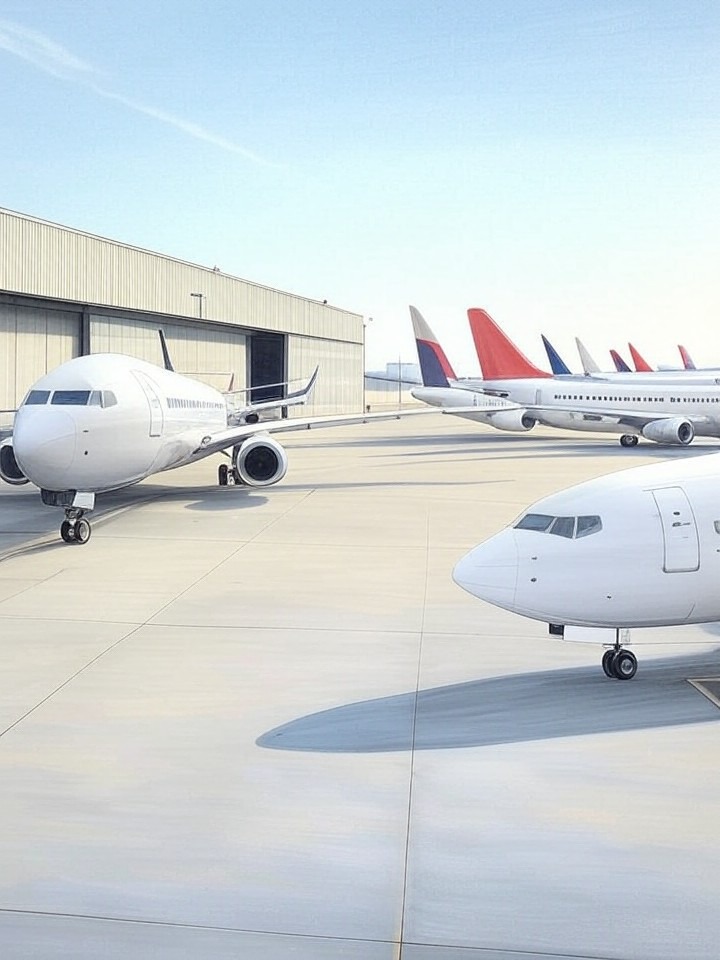
• Significant growth in fleet and reach Alaska Airlines plans to expand its total fleet from 413 to 550 aircraft by 2035, a strategy that follows its acquisition of Hawaiian Airlines. The inclusion of Boeing 787-10 Dreamliners in this order is specifically intended to support international expansion to destinations such as Italy and South Korea.
• Focus on economic efficiency and capacity The airline intends to deploy the higher-capacity 737 Max 10 jets to improve unit costs on routes with high demand. Additionally, these larger aircraft are aimed at increasing passenger capacity at airports that are currently experiencing congestion.
• Expressed confidence in manufacturing partners Executive Shane Jones stated that the purchase secures crucial delivery slots for the airline through the mid-2030s. Jones also expressed confidence in Boeing’s ability to produce quality aircraft under the leadership of CEO Kelly Ortberg.
How it may affect me
As a U.S. reader:
Travelers may eventually access new international routes to destinations like Italy and South Korea as the airline integrates Boeing Dreamliners to support its expansion strategy.
Passengers flying through congested airports could see increased seat availability, as the carrier plans to deploy higher-capacity jets to handle high demand and improve unit costs.
You should not expect immediate changes to flight schedules, as deliveries are contingent on upcoming FAA certification and are not scheduled to begin until 2027.
The overall quality of the fleet available to the public will modernize through the mid-2030s, with half the new aircraft replacing older models rather than just adding volume.