
• Demonstrations have rapidly expanded in scope and geography The unrest, which began with economic grievances regarding inflation, has spread to more than 250 locations in 27 provinces. While the initial sparks were financial, the tone has shifted to include broader chants targeting the ruling establishment itself.
• Reports allege significant casualties and mass arrests According to the Human Rights Activists News Agency, the crackdown has resulted in at least 29 deaths and more than 1,200 arrests. Social media footage emerging from the region depicts ongoing volatility and clashes between demonstrators and state security forces.
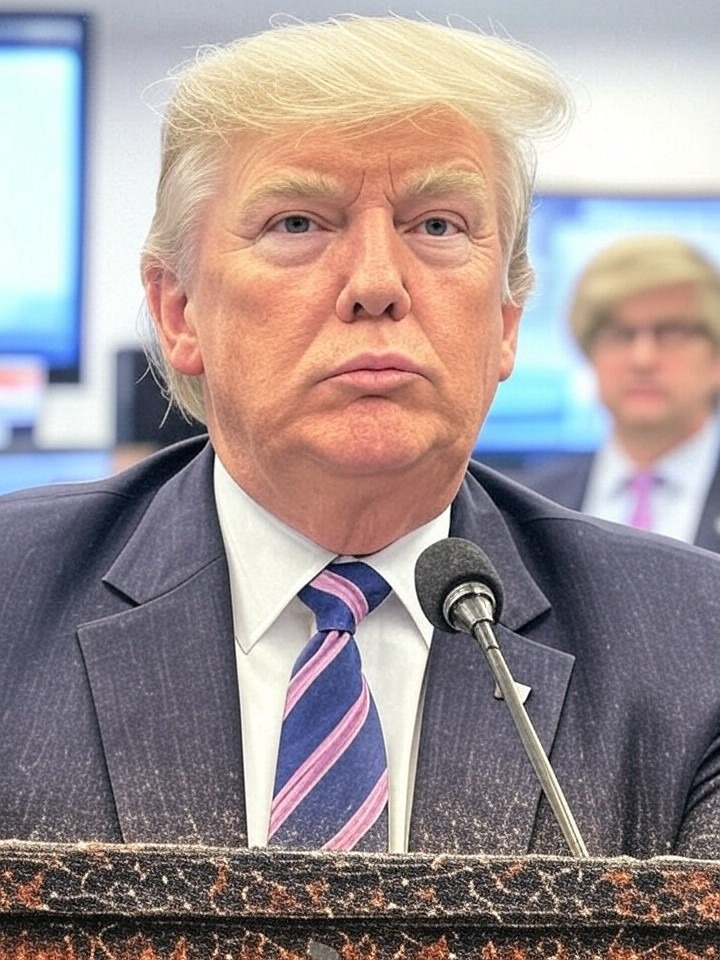
• The U.S. has issued strong warnings against violent suppression President Trump stated that the United States is "locked and loaded" to intervene if the Iranian government uses violence to crush the protests. Observers note that this warning carries additional weight following the recent capture of Venezuelan President Nicolás Maduro by U.S. forces.
How it may affect me
As a U.S. reader:
• The President's statement that the military is "locked and loaded" signals a possibility of U.S. intervention if violence against protesters continues.
• Tensions may escalate as Iranian leadership explicitly accuses the United States and Israel of instigating the disorder rather than acknowledging domestic economic grievances.
• The administration's warning, strengthened by the recent capture of the Venezuelan president, suggests a foreign policy stance willing to actively engage in foreign internal conflicts.