
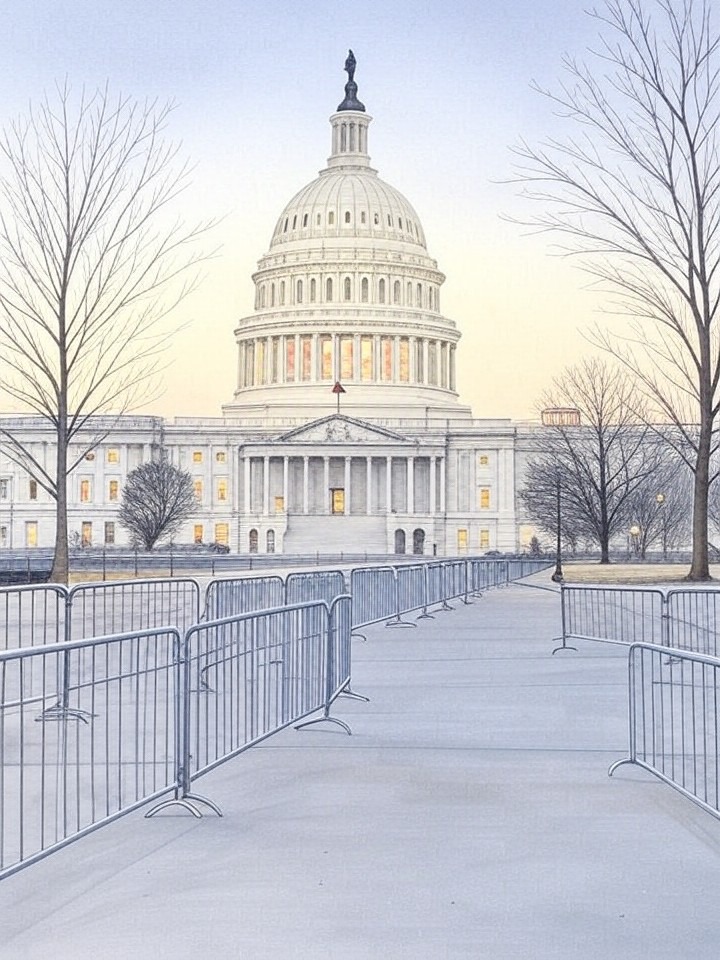
• Legislation to prohibit taxpayer-funded settlements Senators Alex Padilla and Sheldon Whitehouse introduced a bill specifically designed to ban federal funds from being used for settlements with defendants convicted of assaulting police. Senator Padilla stated that the primary goal of this measure is to protect taxpayers from bearing the cost of these payouts.
• Focus on accountability for law enforcement injuries Democrats emphasize that the attack on the Capitol resulted in injuries to approximately 140 officers and delayed the certification of the election results. They maintain that the severity of these events requires continued accountability rather than financial compensation for those involved.
• Concerns regarding pardons and election threats House Minority Leader Hakeem Jeffries organized a meeting to highlight the impact of the pardons issued by President Trump and to discuss what he termed ongoing threats to free elections. The event featured testimony from former law enforcement officers and Pamela Hemphill, identified as the only defendant to reject a presidential pardon.
How it may affect me
As a U.S. reader:
Taxpayers may see federal funds used for additional settlements or a proposed reparations fund unless new legislation successfully prohibits payouts to defendants convicted of assaulting police.
A legislative conflict is emerging that will determine whether federal resources prioritize compensation for pardoned defendants or enforce financial restrictions on those previously convicted of crimes.
Public demonstrations and political tensions may persist as pardoned figures organize marches while opposing lawmakers hold hearings regarding alleged ongoing threats to free elections.