
• Severe economic conditions driving widespread dissent The demonstrations reported in over 220 locations are described as a reaction to acute financial hardships, including a collapsing currency and inflation rates reaching 40 percent. Rising costs for essential goods, such as food and fuel, are cited as primary factors motivating the nationwide opposition to the government.
• Allegations of lethal suppression by security forces The U.S.-based Human Rights Activists News Agency alleges that nearly 1,000 individuals have been arrested and at least 20 killed in connection with the unrest. Demonstrators have further accused regime forces of utilizing live fire to suppress dissent as the political crisis deepens.
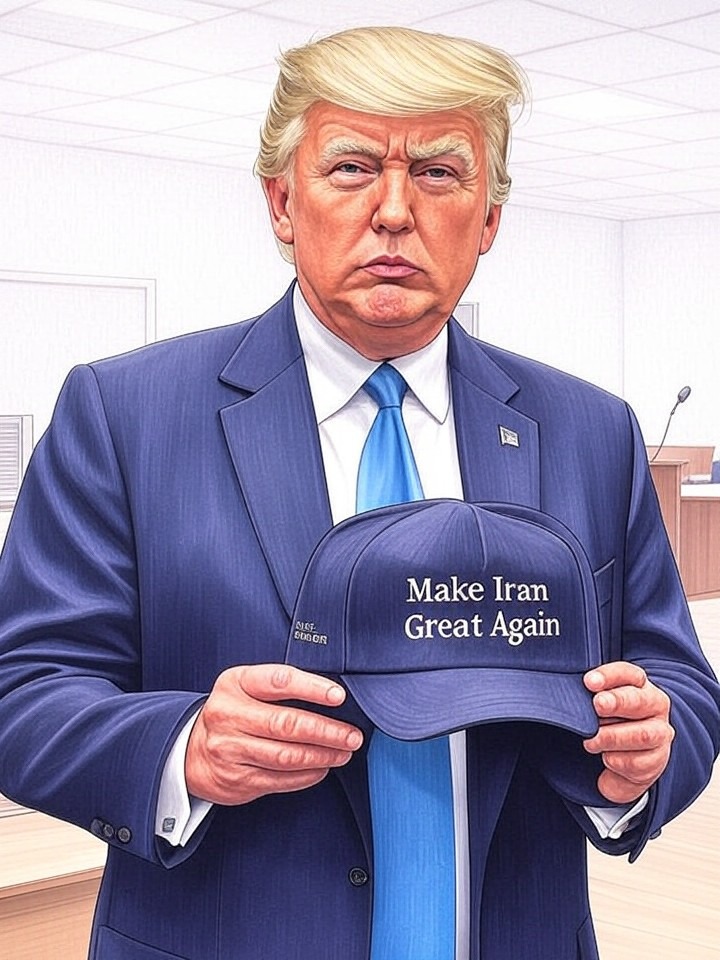
• Indicators of potential regime instability U.S. leadership has signaled solidarity with the movement, with Senator Lindsey Graham praising the "brave people of Iran" and President Trump displaying a "Make Iran Great Again" slogan. Additionally, an intelligence report claims that Supreme Leader Khamenei has prepared a contingency plan to flee to Moscow, suggesting concerns within the inner circle regarding the regime's survival.
How it may affect me
As a U.S. reader:
Public support from U.S. officials for Iranian demonstrators indicates a foreign policy stance that explicitly aligns American interests with the protest movement against the current regime.
Past U.S. military strikes on Iranian targets suggest that escalating instability could lead to renewed security concerns or engagement involving American forces in the region.
Intelligence reports regarding Iranian leadership potentially fleeing to Moscow highlight geopolitical shifts that could further impact diplomatic relations between the United States and Russia.
References to the recent capture of Venezuelan leadership by U.S. forces imply a strategic framework for how the government may approach potential regime collapse in Iran.