
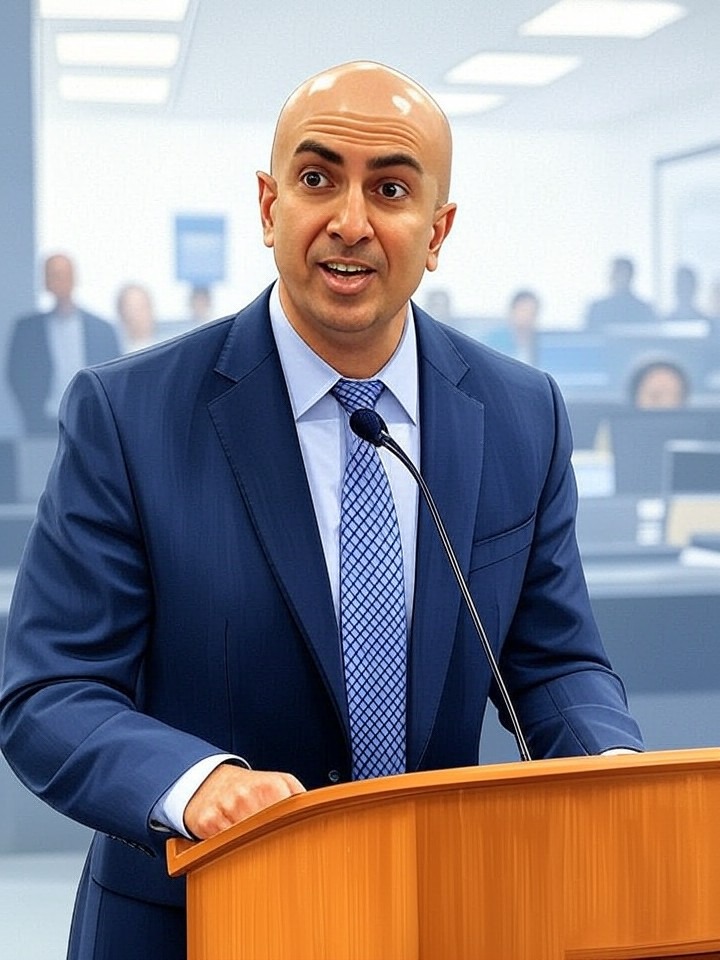
• Monetary policy is approaching a neutral level Minneapolis Federal Reserve President Neel Kashkari suggests that the central bank is nearing a point where it should stop lowering interest rates. He observes that the economy has demonstrated unexpected resilience, indicating that current policies are not exerting significant downward pressure on growth.
• Inflation remains a persistent economic concern Officials note that inflation remains too high, citing a recent core inflation measure of 2.8%. Additionally, there are concerns that future price stability could be impacted by tariffs implemented by President Donald Trump.
• Corporate productivity is benefiting from technology Kashkari reports that businesses are seeing real productivity gains and returns on their investments in artificial intelligence. He notes that over the past two years, companies have shifted from skepticism to the active use of these technologies.
How it may affect me
As a U.S. reader: Borrowing costs for loans and mortgages may stabilize rather than fall further, as the Federal Reserve indicates it is nearing a neutral stance and may stop lowering interest rates soon.
Applicants for jobs at large companies may face reduced hiring opportunities, as firms leverage artificial intelligence for productivity gains instead of recruiting new employees.
You may see prices remain high or rise further, as officials cite persistent core inflation and potential tariffs as ongoing risks to economic stability.
Policy decisions affecting the broader economy could become volatile, as rate-setters must weigh rising unemployment against inflation data obscured by government shutdown disruptions.