
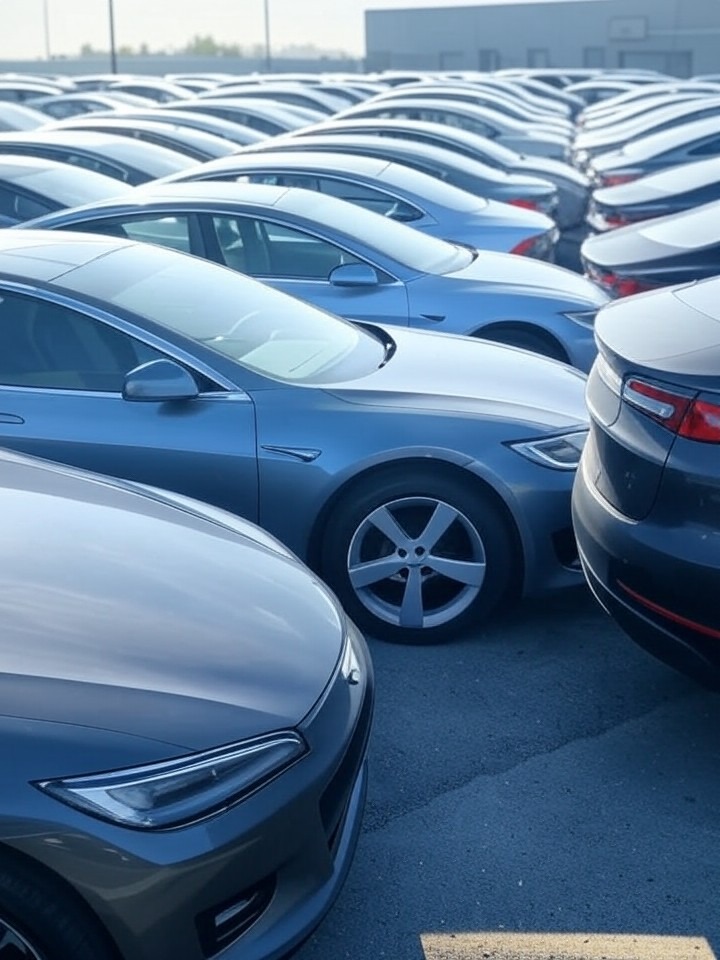
• Loss of global EV leadership Tesla’s annual deliveries fell by approximately 8.6% to 1.64 million vehicles in 2025, marking the second consecutive year of decline. This decrease allowed Chinese competitor BYD to surpass Tesla as the world’s largest seller of electric vehicles, with BYD reporting a nearly 28% increase in sales to 2.26 million units.
• Impact of competition and backlash The reduction in Tesla’s performance has been attributed to intensifying market competition as well as consumer backlash in the United States and Europe regarding CEO Elon Musk’s political rhetoric. Data from the first 11 months of 2025 indicated a significant 39% drop in Tesla registrations in Europe, a region where BYD simultaneously experienced growth.
• Operational headwinds and missed targets Fourth-quarter deliveries totaled 418,227 vehicles, a 16% year-over-year decrease that fell short of analyst expectations ranging from 422,000 to 426,000. This shortfall was partly linked to the expiration of a U.S. federal EV incentive decided by the Trump administration, which reportedly shifted some sales volume into the third quarter rather than the fourth.
How it may affect me
As a U.S. reader:
You can no longer utilize the federal electric vehicle incentive that expired on September 30, potentially increasing the effective cost if you plan to purchase a new Tesla.
Residents in Austin, Texas, may encounter occupant-free driverless vehicles on public roads as the company tests autonomous technology to bolster investor confidence despite falling sales.
Investors may see portfolio growth despite lagging vehicle deliveries, as Tesla stock reached record highs in December based on future technology promises rather than current manufacturing output.
Your purchasing options may be influenced by shifting market dynamics, as declining domestic deliveries are attributed partly to consumer backlash regarding the CEO’s political rhetoric.