
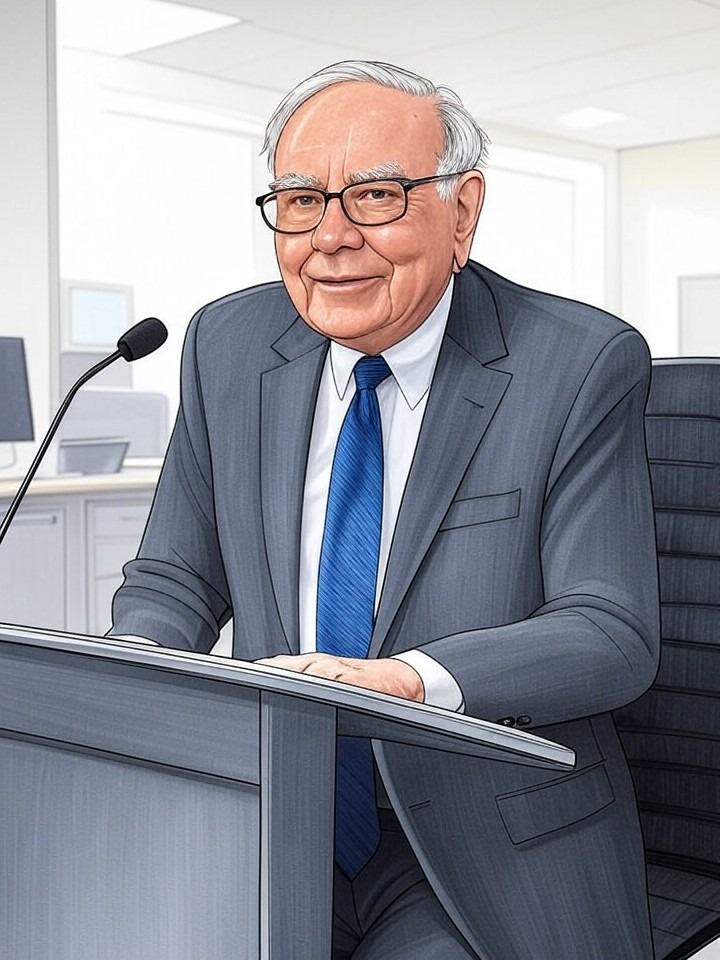
• Explicit endorsement of the successor Warren Buffett has expressed strong confidence in Greg Abel, explicitly describing him as "the decider." Buffett stated that under Abel’s leadership, the conglomerate is well-positioned to endure for the next century.
• Substantial financial resources available Abel assumes the position of CEO with the company holding more than $300 billion in cash. This massive capital reserve provides a strong foundation as he transitions from his previous role as vice-chairman of non-insurance operations.
• Continued involvement of the former CEO Despite stepping down as CEO, Buffett will remain chairman of the board. He intends to maintain a presence at the company, including attending the annual shareholder meeting seated in the directors' section.
How it may affect me
As a U.S. reader:
• Investors tracking the company may see strategic shifts aimed at improving returns after a period where the stock performance lagged behind the S&P 500 benchmark.
• The new leadership’s management of over $300 billion in cash could result in significant market acquisitions or investments that affect the broader economic landscape.
• Shareholders will lose access to Warren Buffett’s direct market commentary at annual meetings, signaling a permanent change in how the company communicates its outlook to the public.
• Operational changes within the conglomerate’s subsidiaries may occur as new oversight structures are implemented to support business units under the incoming CEO.