
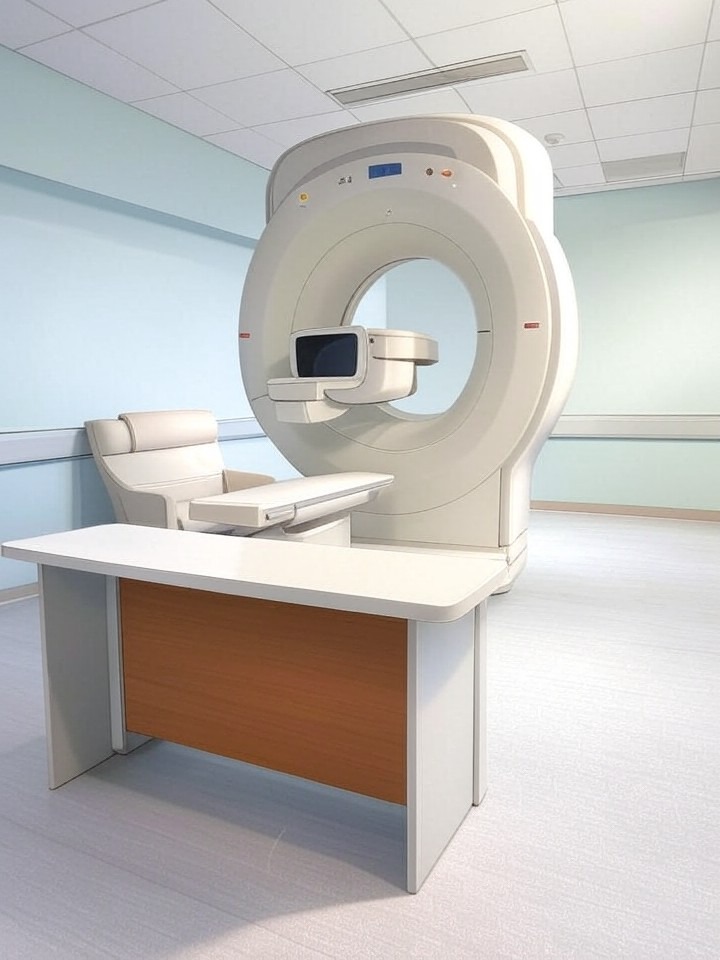
• Confirmation of normal medical results Physician Navy Capt. Sean Barbabella stated that the results of the president's examination were "perfectly normal" and revealed no abnormalities. The procedure, confirmed to be a CT scan rather than an MRI, was performed specifically to rule out cardiovascular issues, with the president insisting that "nothing's wrong."
• Explanations for physical appearance and mannerisms President Trump denied allegations of falling asleep at events, explaining that he closes his eyes to relax or was photographed mid-blink. Additionally, medical memos attribute visible bruising on his hands to soft tissue irritation from frequent handshaking combined with his long-term use of aspirin.
• Consistency regarding medical transparency White House Press Secretary Karoline Leavitt asserted that the administration and medical team consistently used the term "advanced imaging" when referring to the test. Leavitt emphasized that the president demonstrated transparency by disclosing the specific details of the procedure.
How it may affect me
As a U.S. reader:
• Confirmation of normal cardiovascular results may provide assurance regarding the stability of the executive branch and the President's immediate capacity to fulfill official duties.
• Reported adjustments to executive operations, such as shortening Cabinet presentations, could alter how complex policy details are communicated to and processed by the administration.
• The correction regarding the specific medical procedure performed may influence public confidence in the accuracy and transparency of future health disclosures released by the White House.