
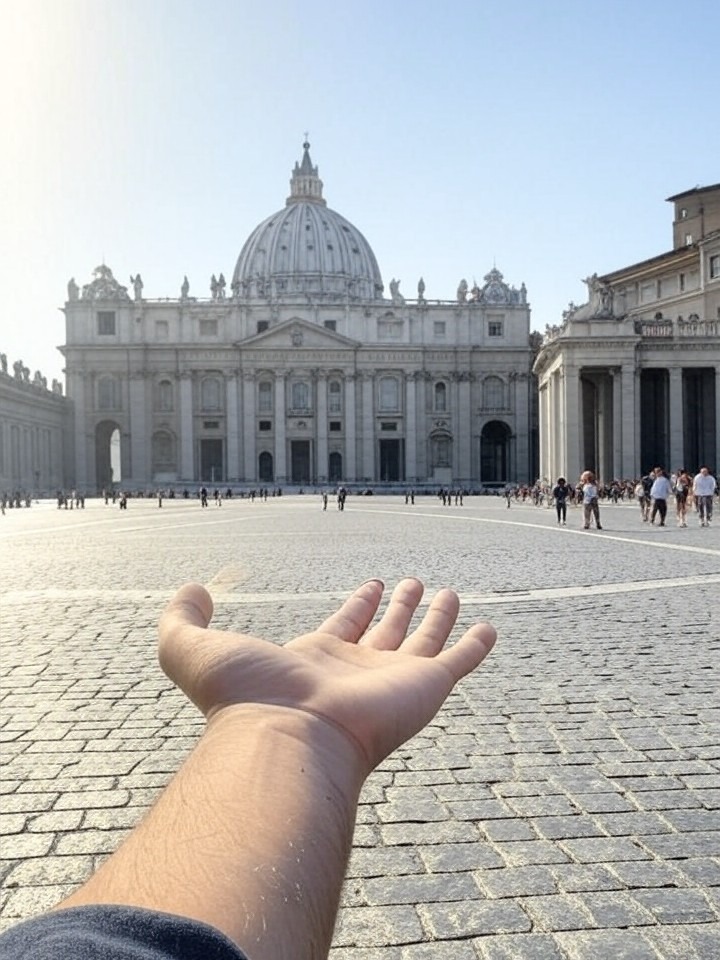
• The pontiff emphasized the urgent need for diplomatic resolutions in active conflict zones In his address and recent homilies, Pope Leo XIV specifically urged direct negotiations between Russia and Ukraine and addressed the humanitarian situation in Gaza. He called upon nations that are currently "bloodied by conflict" to actively pursue peace and reconciliation.
• Peace was framed as a spiritual responsibility requiring individual transformation The Pope described peace as a goal that demands "personal conversion rather than force." He asked the estimated 40,000 people in attendance to "disarm their hearts," placing the burden of peace on personal conduct rather than solely on political maneuvering.
• The address highlighted and validated specific external peace initiatives and partnerships Pope Leo XIV explicitly praised a peace march in Catania, Italy, and the international efforts of the Community of Sant’Egidio. Additionally, he extended greetings to Italian President Sergio Mattarella, signaling support for both grassroots and state-level engagement.
How it may affect me
As a U.S. reader: The Pope's explicit call for negotiations regarding Ukraine and Gaza may heighten public discourse and moral pressure regarding U.S. diplomatic involvement in these active conflict zones.
Upcoming meetings between the pontiff and the College of Cardinals regarding church governance could lead to administrative changes affecting the operations of American Catholic parishes and institutions.
The conclusion of the 2025 Holy Year on January 6 marks the end of a major pilgrimage cycle, potentially normalizing travel logistics for Americans visiting Rome.
The leadership of the first American pontiff may result in increased consideration of U.S. perspectives during the Vatican's revival of consultative traditions with church hierarchy.