
• Demonstrations are driven by severe economic deterioration across the country. The unrest, which has entered its fifth day and spread from Tehran to provincial cities, is fueled by public grievances regarding soaring inflation and high unemployment. Additionally, those taking to the streets are reacting to a collapsing currency that has compounded the nation's financial crisis.
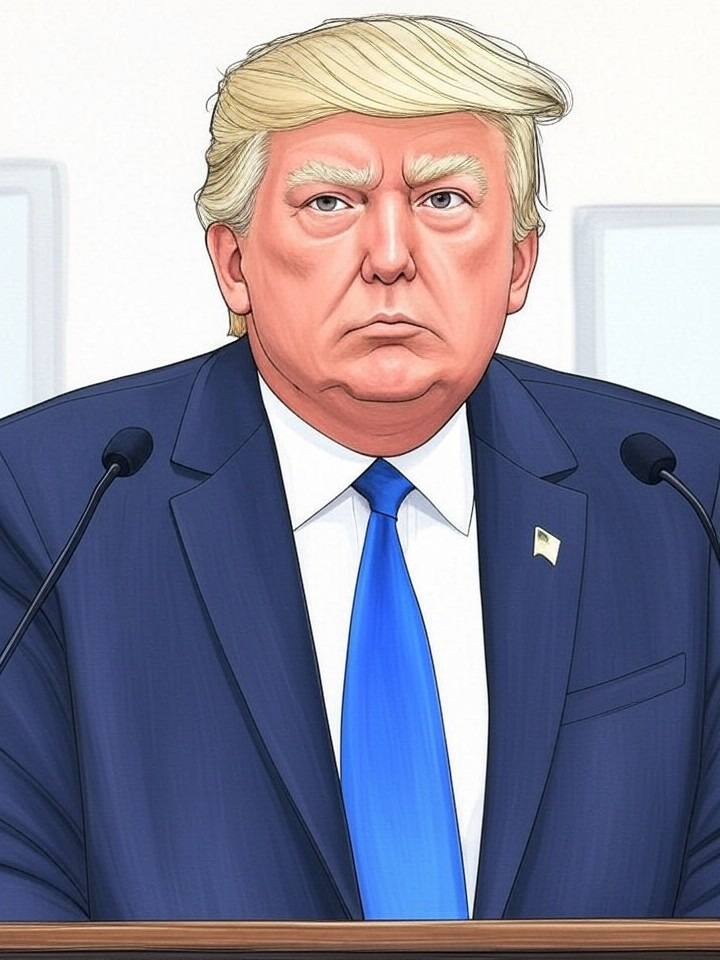
• The United States has pledged active support for the safety of peaceful protesters. President Donald Trump issued a direct warning on social media, stating that the U.S. is "locked and loaded" and prepared to "come to their rescue" if the crackdown turns lethal. These comments follow earlier statements from American officials expressing solidarity with the demonstrators.
• Human rights groups allege that state security forces are responsible for recent fatalities. Opposition organizations claim that security forces have killed demonstrators during clashes in areas such as Lordegan and Azna, where six to seven deaths have been reported. While the government officially cited "extreme cold" for a nationwide shutdown, critics note that authorities have continued to arrest individuals accused of organizing the unrest.
How it may affect me
As a U.S. reader:
• The likelihood of new military engagement has increased, as the President stated the U.S. is "locked and loaded" to intervene if the Iranian government kills peaceful protesters.
• You may see heightened security concerns for U.S. troops abroad after Iranian officials explicitly advised Americans to worry about their soldiers' safety amid the tensions.
• U.S. interests in the Middle East face potential disruption, with Iranian leadership warning that foreign intervention would incite regional chaos and destroy American assets.
• Diplomatic relations remain volatile, as Iranian leadership expressed a willingness to negotiate on economic crises while simultaneously threatening harsh responses to any U.S. aggression.