
• The final agreement faced criticism for failing to explicitly address the root causes of the climate crisis. Colombian President Gustavo Petro labeled the deal hypocritical because it did not name fossil fuels as the cause of the crisis. Similarly, officials from France and the United Kingdom expressed disappointment, describing the outcome as "bland" and lacking the ambition hoped for during the negotiations.
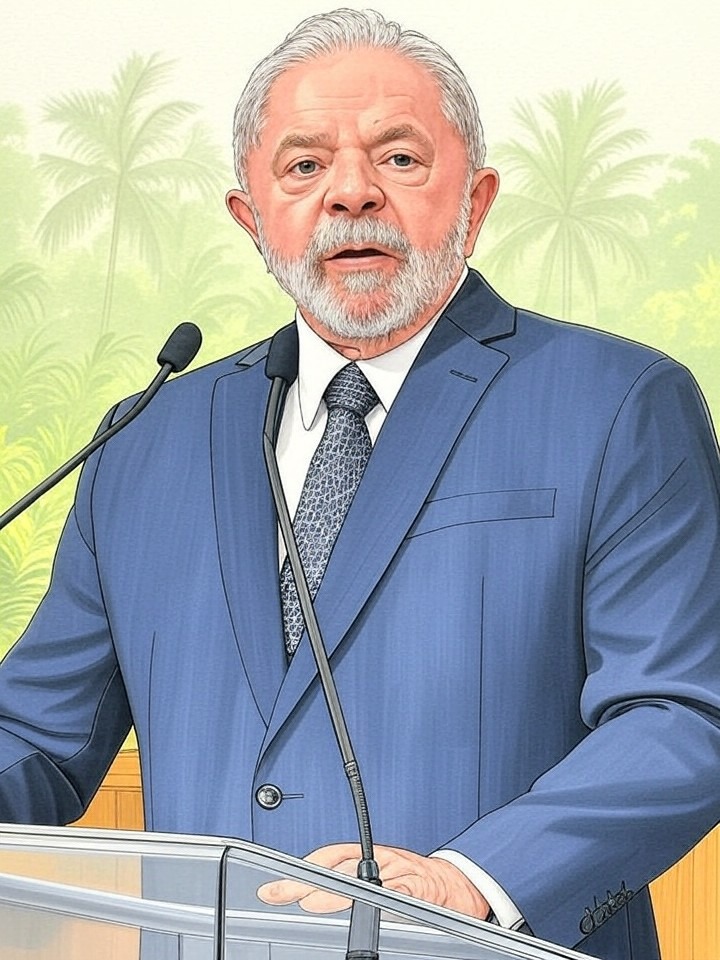
• The absence of the United States and insufficient global commitments raise concerns about meeting warming targets. Brazilian President Luiz Inácio Lula da Silva expressed hope that the U.S. might eventually acknowledge the severity of the situation, while a United Nations report warned that current national plans fall short of the 1.5-degree Celsius goal. The U.S. administration is expected to formally exit the Paris Agreement by January.
• European negotiators sought to bypass resistance to decarbonization through alternative mechanisms. The European Union secured a side deal to establish a "road map" process after the main proposal was reportedly heavily influenced by the BRICS nations. A European negotiator noted that these nations resisted pressure to commit to a rapid shift away from fossil fuels.
How it may affect me
As a U.S. reader: The administration's focus on promoting American fossil fuels and removing green subsidies signals a domestic policy shift that may reduce government incentives for renewable energy technologies.
With the U.S. expected to formally exit the Paris Agreement by January, national energy policy will operate independently of the climate targets and regulatory frameworks pursued by other nations.
Since major global economies deferred decisions on accelerating the transition away from fossil fuels, U.S. industries may face less immediate international pressure to decarbonize operations.
China's successful push to address unilateral trade measures on the summit agenda suggests potential future shifts in how international trade rules apply to U.S. economic policies.