
• Concerns over stalled inflation progress Two officials argued against lowering interest rates, emphasizing that progress toward the central bank's 2 percent inflation target appeared to have halted. These policymakers prioritized addressing high inflation rather than shifting focus to the labor market at this time.
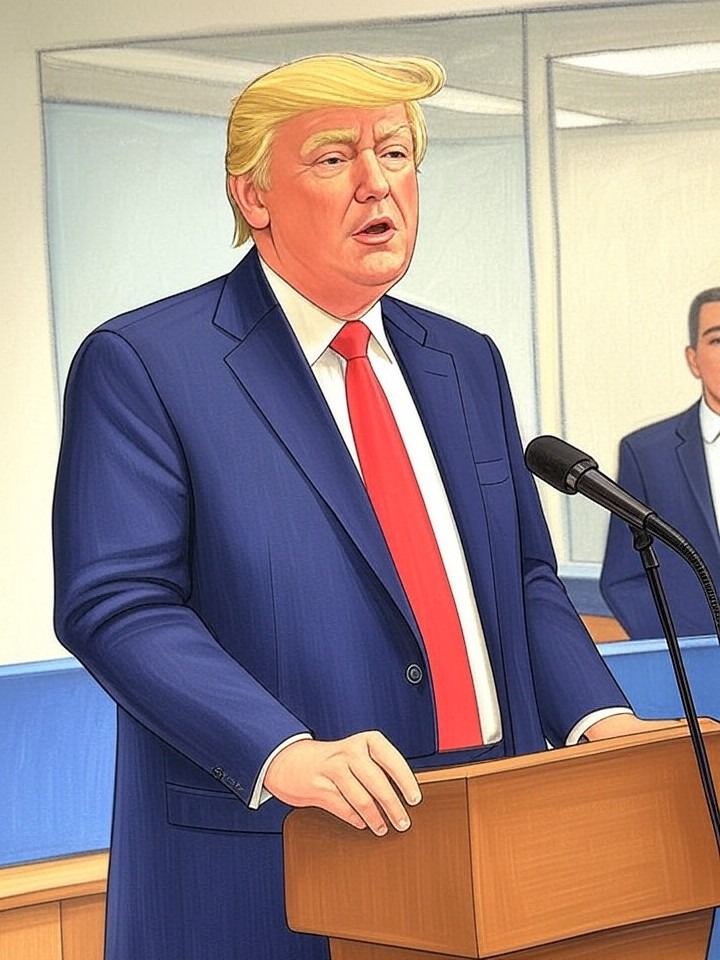
• Inflationary impact of tariffs Minutes from the meeting indicated that participants discussed the economic effects of tariffs implemented by President Donald Trump. Officials generally agreed that these measures were contributing to increased inflation, although they expected these effects to be temporary and fade into 2026.
• Risks of acting on outdated information The decision-making process was described as "finely balanced" for some, complicated by a six-week government shutdown that delayed key reports. This left policymakers to deliberate on the future policy path while relying on outdated information regarding jobs and economic growth.
How it may affect me
As a U.S. reader: The reduction of the benchmark interest rate to approximately 3.6 percent may lead to lower borrowing costs for consumers seeking loans or credit.
With unemployment reaching a four-year high of 4.6 percent, the central bank's policy shift prioritizes supporting the labor market to mitigate risks to job security.
Shoppers may continue to experience inflationary pressure from tariffs, though Federal Reserve officials project these specific price increases will be temporary and fade into 2026.
Future interest rate adjustments remain unpredictable as policymakers face deep divisions and outdated economic data resulting from a recent six-week government shutdown.
The resumption of purchasing $40 billion per month in short-term Treasury bills is intended to maintain stability and manage liquidity within financial funding markets.