
Protests Spread Across Iran as Currency Collapse Triggers Strikes and Government Response

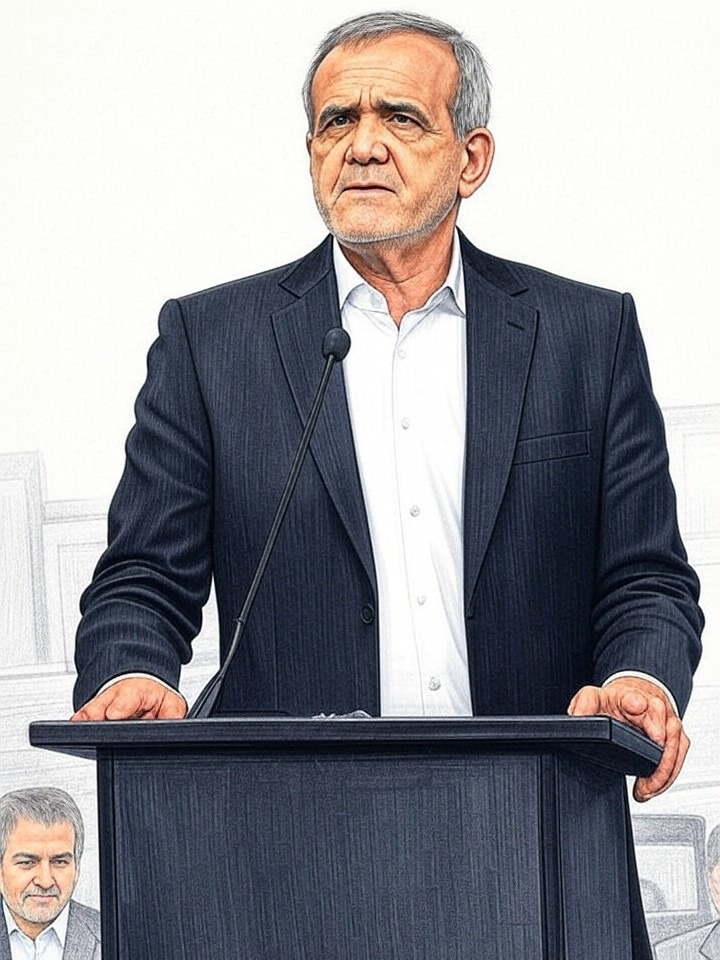
Illustration for: Protests Spread Across Iran as Currency Collapse Triggers Strikes and Government Response
AI-generated illustration. Visual interpretation does not represent real individuals or scenes.

THE BARE STORY

Demonstrations and strikes have expanded across Iran for a third consecutive day, fueled by a historic collapse of the national currency and soaring inflation. The unrest, which began with shopkeepers in Tehran closing major markets, reportedly spread to provincial cities and university campuses on Tuesday. Official data indicated year-on-year inflation reached 52.6% in December, while reports suggested the Iranian rial fell to approximately 1.45 million against the U.S. dollar.

Opposition groups, including the National Council of Resistance of Iran (NCRI), claimed the strikes have garnered widespread support among merchants, a group traditionally viewed as a key pillar of the establishment. While reports described security forces using tear gas and tightening access to universities, the Iranian government signaled a potential willingness to negotiate. President Masoud Pezeshkian directed the interior minister to address the protesters' "legitimate demands" through dialogue, and a government spokeswoman confirmed the administration intends to engage with protest leaders.

International reactions have accompanied the growing instability. U.S. President Donald Trump commented on the situation, citing Iran’s economic struggles and the state's response to dissent, though he explicitly stated he was not calling for a regime overthrow. U.S. Ambassador to the UN Mike Waltz also expressed support for the demonstrators. Separately, a report citing unnamed military sources alleged that Iranian forces have accelerated work on unconventional missile payloads, though Tehran has denied pursuing such weapons.

Same Facts. Different Perspectives.

Two AI models. Two viewpoints. One factual foundation.

• The unrest is driven by severe economic deterioration, specifically high inflation and a crashing currency Demonstrations were triggered by a historic collapse of the national currency, with reports suggesting the rial fell to approximately 1.45 million against the U.S. dollar. Additionally, official data indicated that year-on-year inflation reached 52.6% in December, fueling the public grievances behind the strikes.

• Opposition groups claim the movement has gained significant traction among traditionally pro-establishment merchants The National Council of Resistance of Iran (NCRI) stated that the strikes have garnered widespread support among shopkeepers and merchants. This development is significant because this group has traditionally been viewed as a key pillar of the establishment, suggesting a potential shift in loyalty.

• Demonstrators face security crackdowns while receiving vocal support from international figures Reports describe security forces using tear gas and tightening access to universities as the protests spread to campuses and provincial cities. Amidst these crackdowns, U.S. officials, including President Donald Trump and Ambassador Mike Waltz, have expressed support for the demonstrators and commented on the state's response to dissent.

How it may affect me

As a U.S. reader: You may see clarifications in U.S. foreign policy as President Trump supports Iranian demonstrators while explicitly stating that the administration is not calling for a regime overthrow.

Reports citing accelerated work on unconventional missile payloads by Iranian forces could influence U.S. national security discussions, although Tehran has denied pursuing such weapons.

You might observe increased diplomatic attention on Iran as U.S. officials publicly comment on the nation's economic struggles, currency collapse against the dollar, and handling of dissent.

Read the story at

Note: All TheBareNews content is AI-generated. For additional context, reporting, and updates, you are invited to explore the news outlets linked above.