
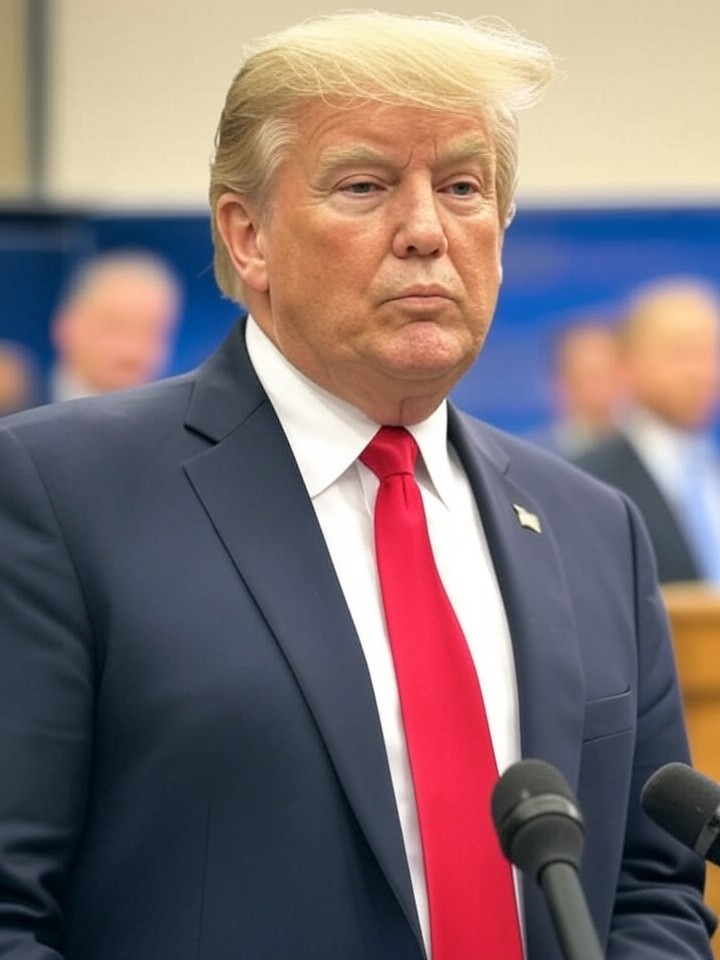
• Warnings based on reports of renewed nuclear activity President Trump stated that he received information suggesting Iran has engaged in renewed activity regarding its nuclear infrastructure. This intelligence surfaced following a meeting with Israeli Prime Minister Benjamin Netanyahu, leading the U.S. President to warn of "powerful" consequences if Tehran attempts to rebuild its capabilities.
• Assertion of previous military success The U.S. administration highlights the impact of "Operation Midnight Hammer," the June 2025 conflict involving strikes on three Iranian nuclear sites. President Trump has previously declared that this offensive resulted in the "total obliteration" of Iran’s nuclear program, a move he claimed set the country's capabilities back by decades.
• Readiness to authorize significant force Facing the possibility of confirmed nuclear reconstruction, President Trump emphasized his willingness to authorize significant force. Leaders indicated that if the reports of new activity are verified, the response would involve substantial military measures similar to the previous confrontation.
How it may affect me
As a U.S. reader:
• You may witness renewed U.S. military operations as the President has signaled readiness to authorize "significant force" if intelligence confirms Iran is rebuilding its nuclear infrastructure.
• Government policy and security decisions may become unpredictable due to reported discrepancies between U.S. leadership's claims of previous success and classified assessments of Iran's actual capabilities.
• International relations and stability could deteriorate further given the Iranian President's characterization of a "full-scale war," despite Tehran's stated openness to diplomatic negotiations.