
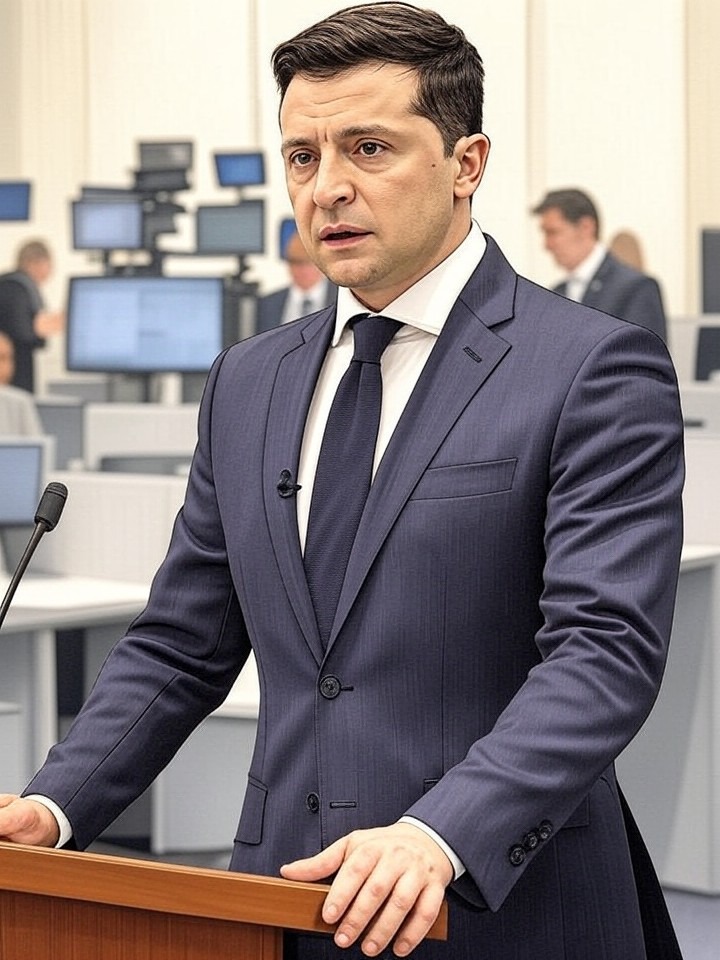
• The negotiation framework is evolving to address key concerns. The proposal presented by Army Secretary Dan Driscoll has been streamlined from an initial 28 points to approximately 19. Ukrainian President Volodymyr Zelenskyy acknowledged this progress, stating that the current framework contains the "right elements" despite remaining unsettled issues.
• The United States is actively authoring the peace proposal based on mutual input. Secretary of State Marco Rubio clarified on social media that the negotiation document was "authored by the U.S." utilizing input from both sides. This statement contradicted earlier reports suggesting the draft was merely a Russian proposal, positioning the U.S. as a central mediator in the process.
• Sensitive territorial disputes are being reserved for the highest level of leadership. The revised plan reportedly defers difficult questions regarding the Donbas region, saving them for direct discussion between President Donald Trump and President Zelenskyy. This structure allows lower-level negotiations in Abu Dhabi to focus on broader framework issues while prioritizing leader-to-leader engagement for the most contentious topics.
How it may affect me
As a U.S. reader:
• U.S. military aid packages could face immediate disruption if the administration enforces reported deadlines requiring Ukraine to accept the peace proposal by Thanksgiving.
• Reliance on U.S. intelligence assets may decrease as European allies explore commercial satellite alternatives and coordinate independent military aid strategies due to uncertainty over American support.
• Final decisions regarding sensitive territorial disputes in the Donbas will shift to direct negotiations between the President and Ukrainian leadership, bypassing lower-level diplomatic channels.