
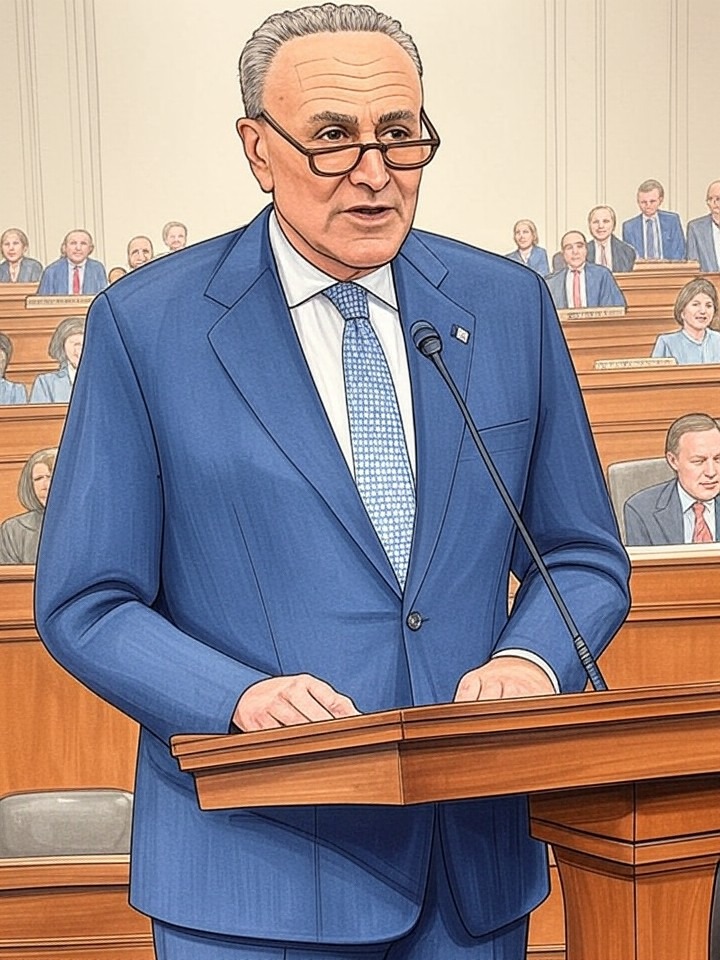
• The plan aims to assist older and lower-income Americans Advocates for the Democratic legislation contended that their approach provided better affordability for specific vulnerable demographics, including older and lower-income individuals. The proposal sought to extend the enhanced subsidies created in 2021 for an additional three years to maintain this financial support.
• Expiration would negatively impact states with high living costs Senator Dan Sullivan, a Republican who voted in favor of the extension, acknowledged that while he did not originally support the subsidies, their expiration would severely impact residents in his state. He highlighted that the removal of this assistance would have significant consequences for those living in areas with high costs of living, such as Alaska.
• The measure attracted bipartisan support from several lawmakers Four Republican senators—Dan Sullivan, Lisa Murkowski, Susan Collins, and Josh Hawley—joined Democrats in voting for the extension bill. Senator Murkowski, who cast votes for both proposals, expressed hope that the legislative proceedings would ultimately lead to a bipartisan compromise to address the expiring benefits.
How it may affect me
As a U.S. reader:
• Millions of enrollees face uncertainty regarding future health insurance costs as the Senate failed to pass a plan before the end-of-year deadline for expiring subsidies.
• Without a legislative compromise in the coming weeks, enrollees may experience a significant spike in insurance rates when current enhanced subsidies expire at year's end.
• Residents in states with high living costs and older or lower-income Americans face severe financial impacts if current assistance lapses without a legislative replacement.
• If future legislation mirrors the Republican proposal, financial assistance would shift to direct deposits into health savings accounts restricted to individuals purchasing high-deductible plans.