
House Democrats and Moderate Republicans Force Vote on Expiring Health Care Subsidies

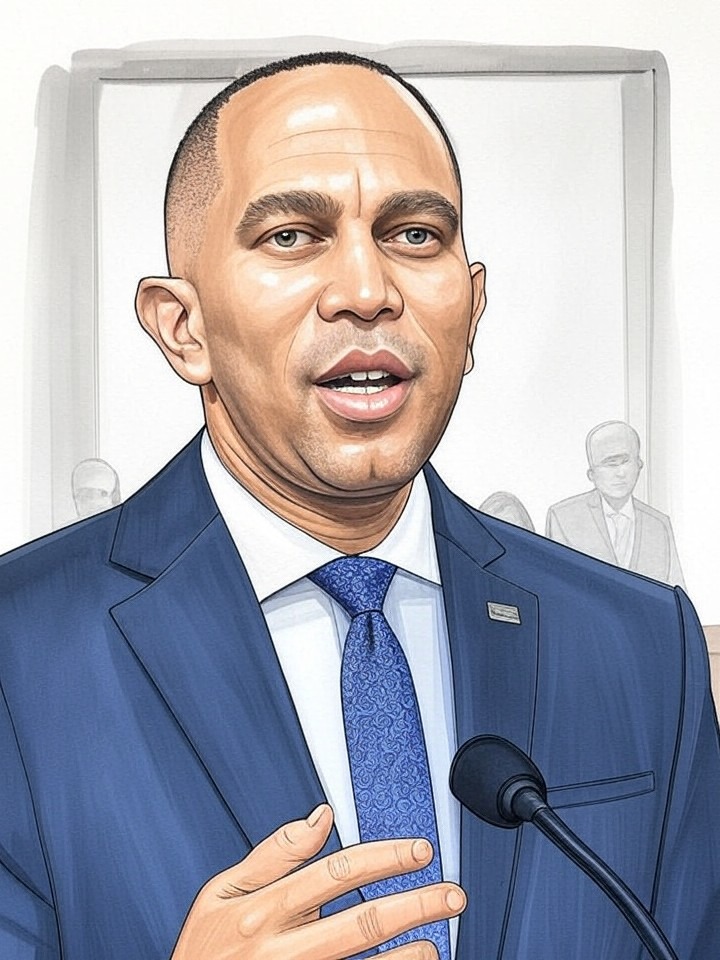
Illustration for: House Democrats and Moderate Republicans Force Vote on Expiring Health Care Subsidies
AI-generated illustration. Visual interpretation does not represent real individuals or scenes.

THE BARE STORY

House Minority Leader Hakeem Jeffries and Democrats have successfully utilized a procedural maneuver known as a discharge petition to force a vote on a three-year extension of expiring Affordable Care Act (ACA) insurance subsidies. The effort secured the necessary 218 signatures after four House Republicans broke ranks to support the measure. This marks the third time this year a discharge petition has reached the threshold, following successful efforts to compel votes on releasing files related to Jeffrey Epstein and restoring federal workers' collective bargaining rights.

Despite the procedural victory, the insurance subsidies are set to expire on December 31, as Congress departs for the holidays without finalizing an extension. While the House passed a separate Republican-led health care package on Wednesday, the Senate reportedly has no plans to consider it. Speaker Mike Johnson acknowledged that a vote on the Democrat-led extension is "inevitable" upon Congress's return, and House Majority Leader Steve Scalise confirmed the matter would be addressed in January.

The maneuvering has highlighted internal friction within the House Republican conference. Representative Kevin Kiley stated the House has not been proactive, while Representative Nancy Mace suggested the party is "behind." Representative Brian Fitzpatrick, a moderate Republican working on a solution, described allowing the credits to lapse as a "mistake." Conversely, Representative Don Bacon criticized the forced vote on the three-year extension as the "worst option."

Jeffries framed the successful petitions as a strategic victory, telling Speaker Johnson, "You can run, but you cannot hide." When lawmakers return in January, they will face the immediate task of addressing the lapsed health care subsidies alongside a looming government funding deadline. Further discharge petitions are reportedly planned for the coming year, covering issues such as sanctions on Russia and a ban on congressional stock trading.

Same Facts. Different Perspectives.

Two AI models. Two viewpoints. One factual foundation.

• Specific opposition to the three-year extension plan While acknowledging the issue needs to be addressed, some members strongly oppose the specific terms of the Democrat-led proposal. Representative Don Bacon criticized the forced vote on the three-year extension explicitly, labeling it the "worst option" among available legislative choices.

• Legislative process will continue in the new year House Speaker Mike Johnson acknowledged that a vote on the extension is now "inevitable" when lawmakers return, and Majority Leader Steve Scalise confirmed the matter would be addressed in January. Leadership indicates that while the December 31 expiration will occur, the legislative focus on this issue is scheduled to resume immediately after the recess.

• Emphasis on alternative Republican-led health care efforts Before the discharge petition success, the House passed a separate Republican-led health care package on Wednesday. However, reports indicate the Senate has no plans to consider this alternative measure, leaving the legislative path centered on the forthcoming vote in January.

How it may affect me

As a U.S. reader: You may experience a temporary lapse in Affordable Care Act insurance subsidies starting January 1, as Congress departed for the holidays without finalizing an extension before the expiration date.

Expect a decisive vote on extending these health care credits to occur in January, as House leadership acknowledged the issue will be addressed immediately upon lawmakers' return.

The legislative calendar in January will likely be crowded, as Congress must resolve the lapsed health care subsidies while simultaneously managing a looming government funding deadline.

You might see additional forced votes on contentious policies next year, as lawmakers plan to use similar procedural maneuvers for issues like Russia sanctions and congressional stock trading.

Read the story at

Note: All TheBareNews content is AI-generated. For additional context, reporting, and updates, you are invited to explore the news outlets linked above.