
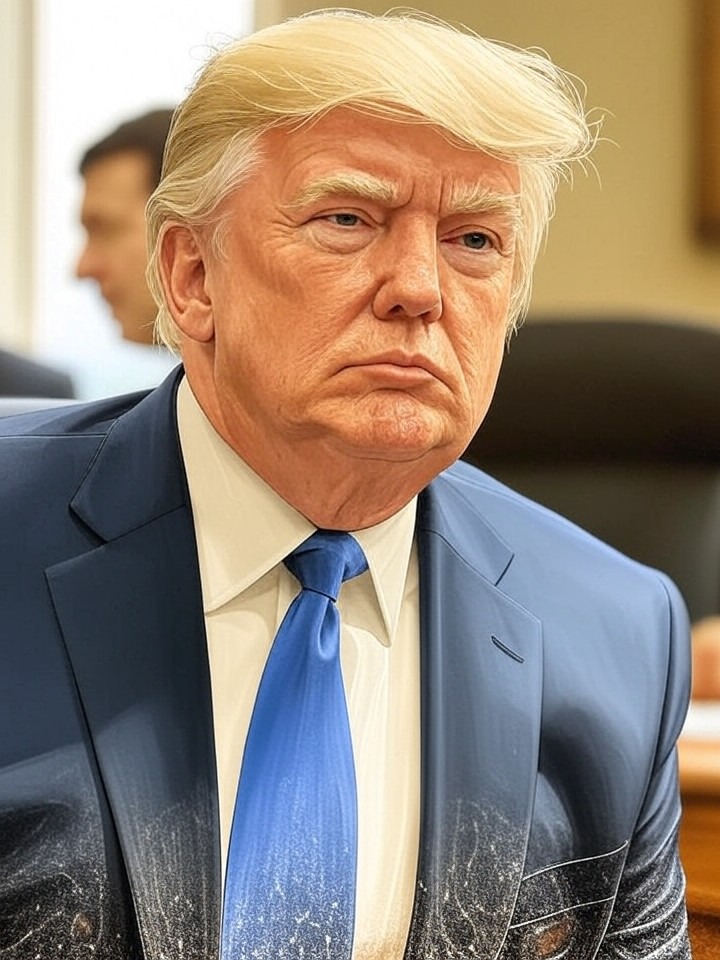
• Progress reported toward a Russia-Ukraine peace deal Following discussions at Mar-a-Lago, President Trump and President Zelenskyy indicated that an agreement to end the war appears close. This development suggests that direct engagement between the leaders is yielding potential results in resolving the ongoing conflict.
• Willingness to break with diplomatic precedent Observers have praised the administration for its unconventional approach to foreign policy, which includes recent outreach efforts such as U.S. envoys meeting with Russian President Vladimir Putin in Moscow. Supporters view these breaks from traditional diplomatic norms as necessary steps to facilitate high-level negotiations.
• Continued engagement on multiple global fronts The administration is maintaining an active schedule of international summits, with Israeli Prime Minister Benjamin Netanyahu scheduled to visit shortly after the Ukraine talks to address Middle East conflicts. This sequence of meetings highlights a sustained effort to mediate in major regional disputes through personal diplomacy.
How it may affect me
As a U.S. reader:
• Executive attention will focus on foreign mediation with scheduled summits regarding Ukraine and the Middle East, potentially drawing focus away from domestic needs as critics have argued.
• Statements regarding a nearing Russia-Ukraine peace deal suggest a possible de-escalation of conflict, though continued missile attacks and unresolved issues indicate that the situation remains volatile.
• House representation will change as Rep. Marjorie Taylor Greene reportedly prepares to resign in January following a rift with the President over the release of Epstein-related documents.
• The administration's willingness to use unconventional diplomatic methods, such as direct outreach to Moscow, introduces a shift in foreign policy strategy that carries debated risks and rewards.