
• The Pope is using his position to actively engage in global diplomacy. Supporters point to the Vatican's direct engagement with world leaders as a sign of proactive peacemaking. The article notes that the pope and Palestinian President Mahmoud Abbas discussed the need for civilian aid in Gaza, and the Vatican has also stated its willingness to host peace talks between Russia and Ukraine.
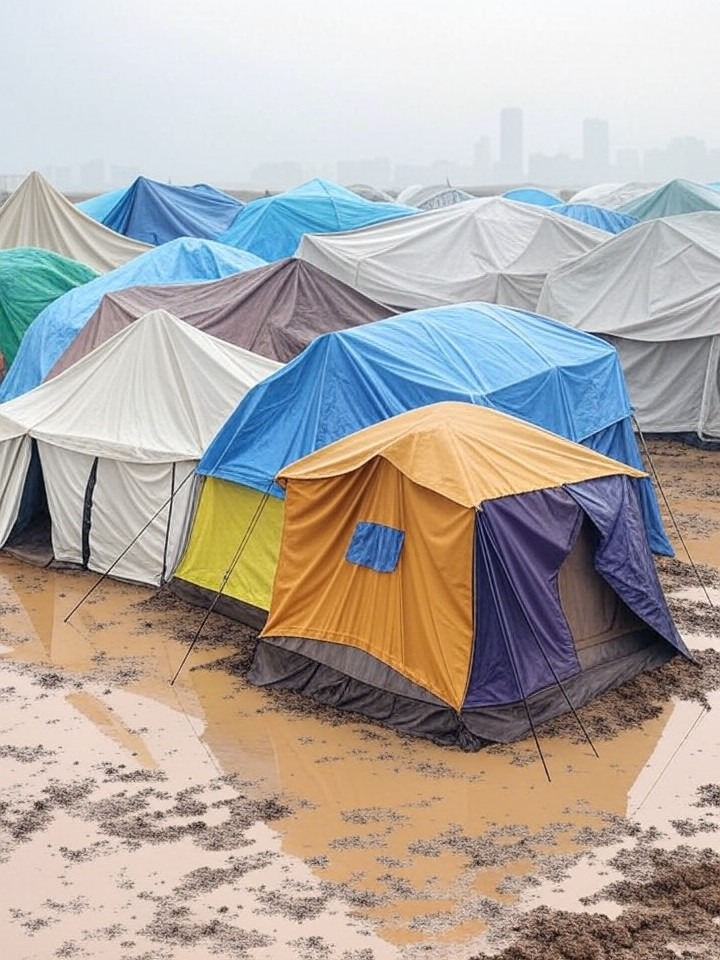
• His message consistently highlights specific humanitarian crises. The address did not just make general calls for peace but focused on tangible suffering in specific regions. The pope described people in Gaza living in tents exposed to the elements, mentioned those facing hunger in Yemen, and spoke of refugees and migrants, demonstrating a consistent focus on the human cost of global instability.
• He advocates for clear and concrete steps toward peace. Beyond simply praying for an end to war, the pontiff urged specific actions to resolve conflicts. For the war in Ukraine, he called for the involved parties to engage in "direct and respectful dialogue" with the support of the international community, offering a tangible pathway toward de-escalation.
How it may affect me
As a U.S. reader:
• The Pope’s calls for dialogue and aid may add moral weight to debates on U.S. foreign policy concerning ongoing conflicts in Ukraine and Gaza.
• The address highlights specific humanitarian crises, potentially increasing public awareness and support for U.S. or international aid efforts in regions like Gaza and Yemen.
• As a moral appeal to global actors, the speech is unlikely to have an immediate, direct effect on domestic policy or daily life in the U.S.