
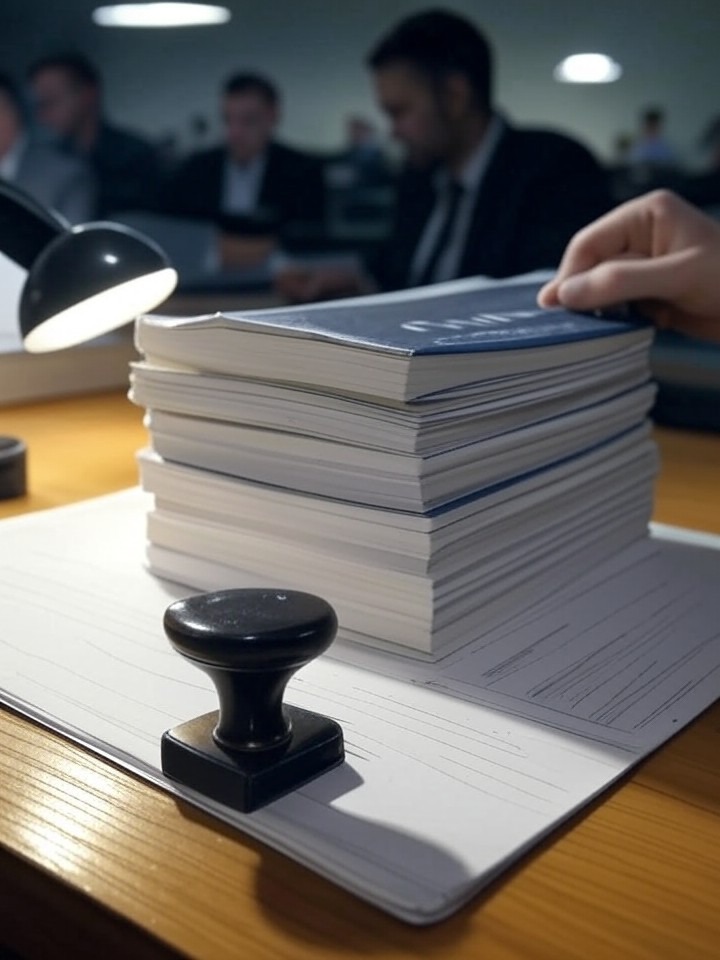
• The new system will prioritize higher-skilled workers. The Department of Homeland Security is replacing the random visa lottery with a weighted selection process. According to the department's press release, this new rule is specifically designed to favor foreign workers who are higher-paid and possess higher skills.
• Reforms are intended to protect American labor. An official from U.S. Citizenship and Immigration Services stated the previous random system was exploited by employers looking to hire foreign workers at lower wages than American counterparts. Vice President JD Vance added that his administration has worked to restrict H-1B visas, asserting it is wrong for companies to bypass American labor.
• Enhanced screening measures are being used to curb abuse. The administration has instituted new screening procedures to identify security threats and prevent misuse of the visa program. According to the U.S. Embassy in India, these measures include reviews of applicants' online presence and social media, which began on December 15.
How it may affect me
As a U.S. reader:
• The new visa system, designed to favor higher-paid foreign workers, could impact job competition and wage levels for Americans in specialized fields.
• The ability of U.S. companies to hire for specialized roles may be affected, which program supporters say is a key driver of U.S. innovation.
• Businesses hiring foreign workers may face higher costs from a new $100,000 visa fee, though the measure is currently facing multiple legal challenges.
• The shift from a lottery to a weighted visa system is not scheduled until February 2026, delaying its potential effects on the U.S. job market.