
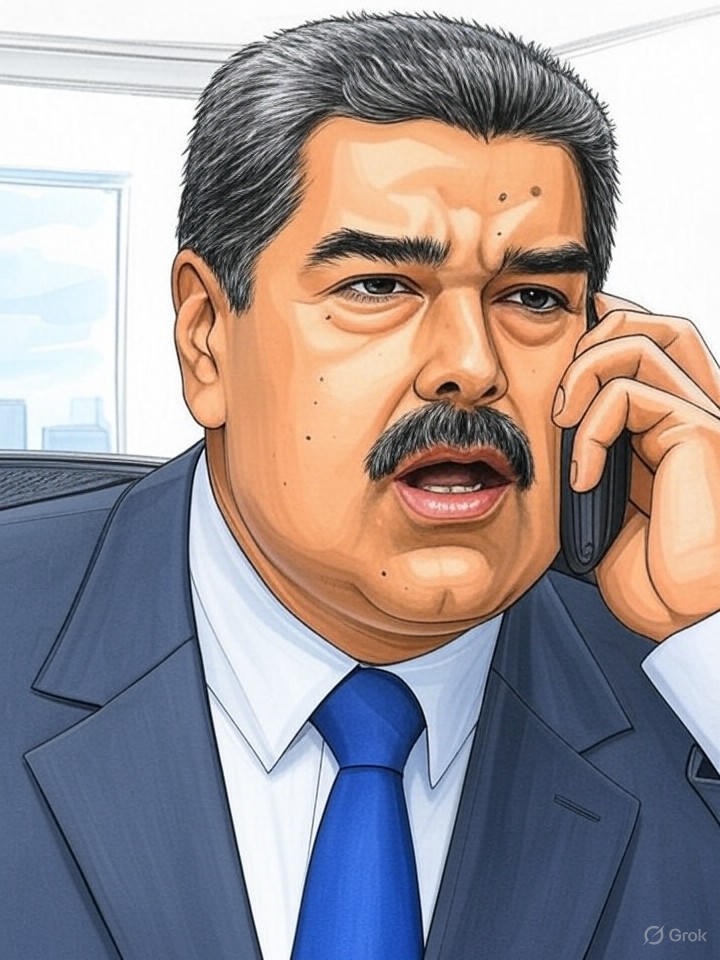
• The U.S. is enforcing sanctions against illicit oil shipments. The seizure of the tankers *Centuries* and *Bella 1* is part of a campaign to block sanctioned oil from Venezuela. According to data from Kpler, the tanker *Centuries* falsified its location signals before loading its cargo of approximately two million barrels of crude, which an expert stated the U.S. views as sanctions evasion.
• The action is presented as legally justified and cooperative. An analyst suggested the U.S. may have acted under a 2002 maritime agreement with Panama, the country where the tankers were flagged. According to an expert at the firm Exiger, the seizure points to cooperation from Panama and serves as a counter to claims that the action violates international law.
• The seizures are part of a broader security strategy. These actions coincide with claims by U.S. officials regarding illicit financing operations in Venezuela. Secretary of State Marco Rubio has referred to the country as a hub for Iran, while former Attorney General Bill Barr described it as a base for drug trafficking by Hezbollah, which sources claim is increasing its presence there for revenue.
How it may affect me
As a U.S. reader:
• These seizures are part of a broader security strategy targeting drug trafficking and designated terrorist groups reportedly operating from Venezuela, which could impact U.S. safety.
• The seizure of sanctioned Venezuelan oil is unlikely to directly affect U.S. fuel prices, as the article indicates China is the primary buyer of this crude.
• The action may escalate diplomatic tensions with China and Iran, which could influence future U.S. foreign policy, though specific public impacts are not detailed.