
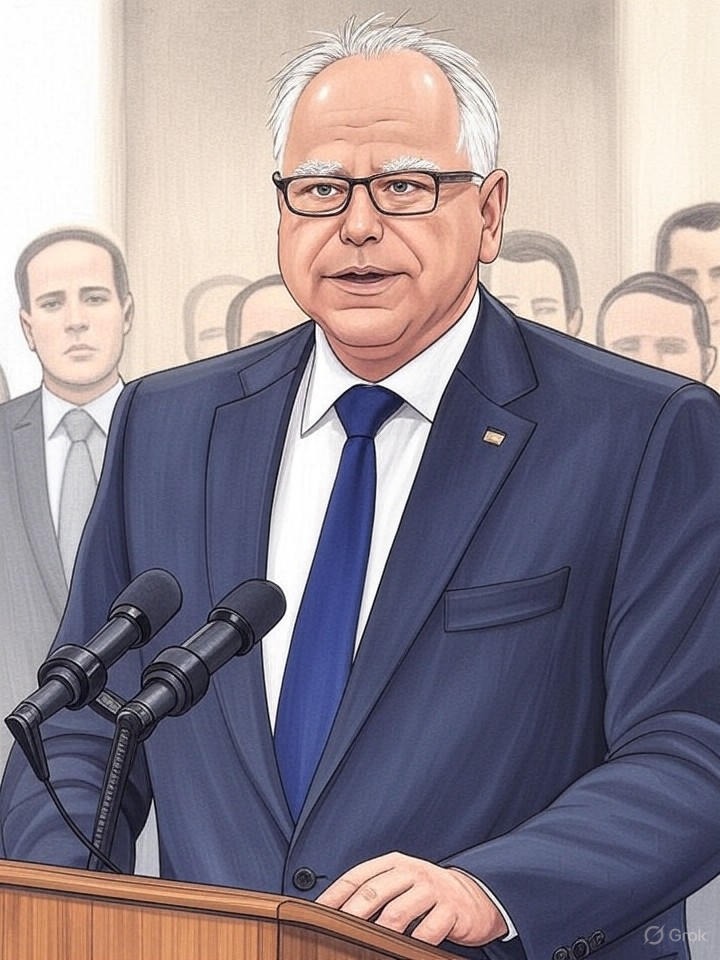
• The fraud is believed to be massive and systemic. Federal prosecutors have described the situation as "industrial-scale fraud," suggesting that malfeasance across various state programs since 2018 could potentially amount to billions of dollars. The investigation has expanded beyond its initial focus on a single nonprofit to encompass multiple state-run programs.
• State officials may have been negligent or complicit. The House Oversight Committee has summoned seven Minnesota officials for interviews, with Chairman James Comer questioning whether top officials were complicit or simply failed to act. Similarly, Representative Tom Emmer stated his belief that it was not possible for such a large amount of money to be stolen without awareness within the governor's administration.
• Stolen funds have potential international security implications. According to U.S. Attorney Thompson, some of the stolen funds have been traced to real estate in Kenya and have indirectly reached Somalia. Thompson noted that the money "might have gotten into the hands" of the Al-Shabaab militant group, though he also clarified there was no indication that those charged had intended to fund terrorism.
How it may affect me
As a U.S. reader:
• Your federal tax dollars were used in a fraud scheme involving social service programs. The confirmed loss exceeds $240 million, with the total amount under investigation.
• The case may lead to stricter federal oversight for state-run aid programs, which could change how services like child nutrition are administered across the country.
• Stolen funds were traced internationally and may have reached a militant group, suggesting domestic fraud could have national security implications, even if unintentional.