
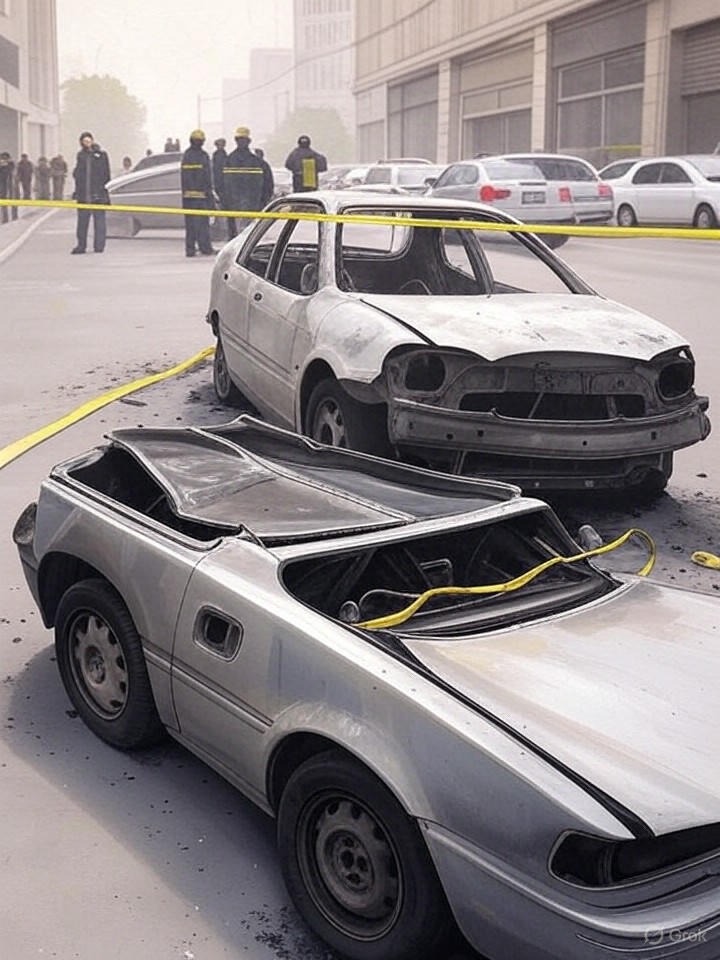
• A criminal investigation has been launched into the general's death. Russia's Investigative Committee has officially opened a criminal case following the car bombing that killed Lt. Gen. Fanil Sarvarov. A spokesperson for the committee confirmed that an explosive device was planted under the general's vehicle and that multiple lines of inquiry are being followed.
• Investigators are considering Ukrainian intelligence as a primary suspect. The Investigative Committee stated that one theory being pursued is that the attack was organized by Ukrainian intelligence services. The seriousness of the incident was underscored by the confirmation that President Vladimir Putin had been personally informed about the killing.
• The attack occurred amid ongoing peace talks. This killing happened while Russian, Ukrainian, and U.S. officials were engaged in peace negotiations. The day before the bombing, Russian officials had described these talks as "proceeding constructively," though President Putin had also recently warned that Russia's military goals would be met by force if peace terms were not accepted.
How it may affect me
As a U.S. reader:
• The bombing could complicate ongoing peace talks in which U.S. officials are participating, potentially affecting the timeline for resolving the conflict.
• A disruption of diplomatic efforts could influence future U.S. foreign policy and the level of American involvement required if the talks fail.
• The event's effect on U.S. markets or the economy is unclear, as the article provides no information on direct financial or trade consequences.