
• The seizures are part of a campaign against illicit oil shipments. U.S. officials state these actions are a component of a broader campaign targeting illegal oil transport, in line with a recent presidential call for a "total and complete blockade" on sanctioned tankers moving to or from Venezuela. The Homeland Security Secretary affirmed the U.S. would continue to pursue the movement of sanctioned oil.
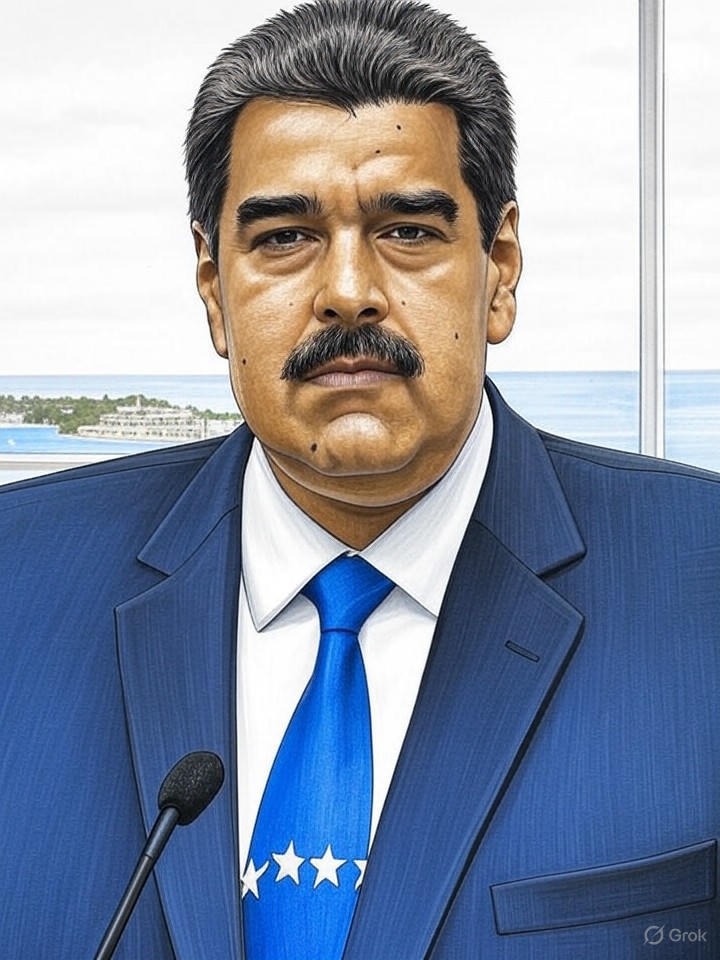
• The oil revenue is alleged to fund narco-terrorism. According to Homeland Security Secretary Kristi Noem, the sanctioned oil shipments fund "narco-terrorism." A White House official reinforced this claim, describing one seized vessel as funding the "narcoterrorist Maduro regime," thereby linking the oil trade directly to criminal and terrorist financing.
• The vessels targeted are under legal orders or are improperly flagged. A U.S. official described one vessel being pursued as a "sanctioned dark fleet vessel" subject to a judicial seizure order. Additionally, a White House official referred to the tanker seized on Saturday as a "falsely flagged vessel," suggesting the operations are legally justified and aimed at ships violating regulations.
How it may affect me
As a U.S. reader:
• These actions against oil tankers could disrupt global oil supplies, potentially leading to fluctuations in fuel prices for consumers.
• Increased U.S. military activity and Venezuelan threats of retaliation raise the risk of international conflict, which could impact U.S. policy and regional stability.
• Venezuela's plan to challenge the seizures at the United Nations could create diplomatic friction, possibly affecting future U.S. foreign relations and international agreements.
• The stated U.S. effort to stop funding for "narco-terrorism" could impact national security, though any direct public effect is unclear from the reports.