
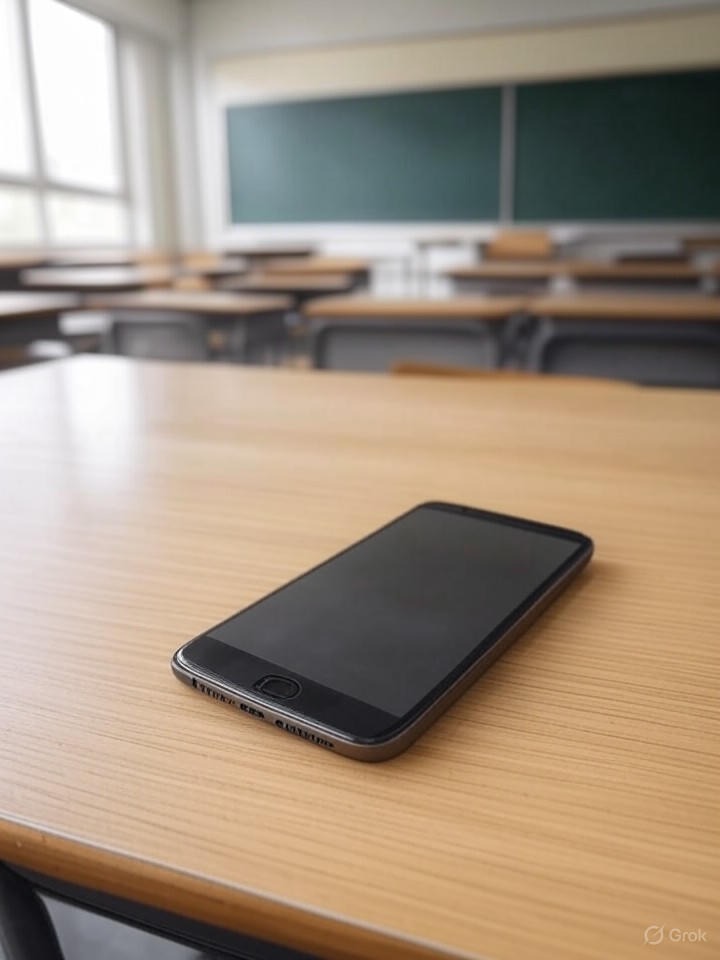
• The bill is seen as beneficial for children's health and national security. One of the act's sponsors, Sen. Elissa Slotkin, argued that the ban on student cellphone use in Department of Defense schools is healthier for children. Another sponsor, Sen. Jim Banks, connected the ban to national security and military retention, suggesting the measure has strategic importance beyond the classroom.
• The legislation repeals sanctions, potentially opening new diplomatic avenues. The National Defense Authorization Act (NDAA) includes a provision that lifts longstanding U.S. sanctions against Syria. This development comes as Syria’s interim government, which came to power in 2024, has reportedly been seeking friendlier relations with Western nations.
• The cellphone ban includes necessary exceptions for vulnerable students. While prohibiting smartphone use for over 65,000 students during the school day, the measure is not a blanket ban. The article specifies that exceptions are made for students who need their devices for medical reasons or because of disabilities.
How it may affect me
As a U.S. reader:
• Military families with children in Department of Defense schools may have restricted contact during school hours due to a new student cellphone ban.
• The repeal of sanctions on Syria could alter U.S. diplomatic policy, though any direct impact on the American public is currently unclear.
• The $900 billion defense bill directs taxpayer funds toward military operations, including new rules for schools and foreign policy shifts regarding Syria.