
• The company's turnaround strategy is showing early signs of success. CEO Elliott Hill has stated that the company's turnaround is demonstrating progress, more than a year into the plan. Ahead of the earnings announcement, the company’s shares were up, suggesting some investor confidence in the efforts to regain growth and strengthen partnerships.
• Leadership changes are being made to streamline the company for growth. Nike recently announced leadership changes, which included the departure of its Chief Commercial Officer. The CEO described this move as a way to "remove layers" within the organization and sharpen its focus on "growth and offense."
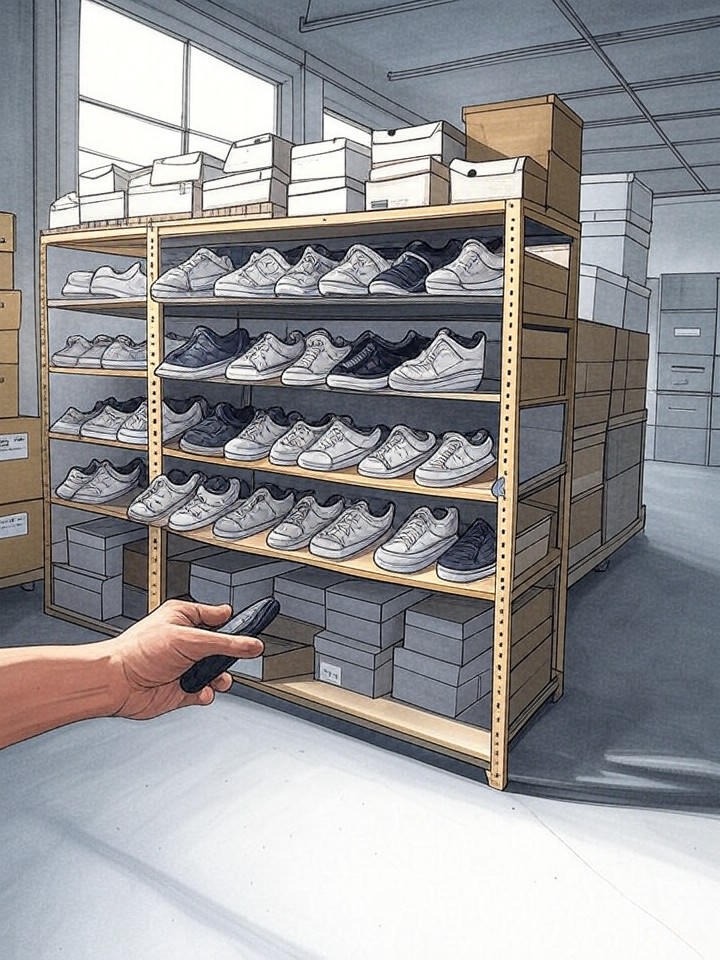
• A path to higher profitability is visible once current inventory issues are resolved. According to portfolio analysis director Jeff Marks, once Nike resolves its inventory challenges, it can achieve higher gross margins. This improvement would come from the ability to sell more products at full price rather than at a discount.
How it may affect me
As a U.S. reader:
• Shoppers may see short-term discounts as Nike clears inventory, but a successful turnaround could result in fewer sales and more full-price products in the future.
• The company's projected $1.5 billion in tariff costs by fiscal 2026 may contribute to higher future prices on its footwear and apparel.
• The stock's performance affects the value of 401(k)s and other investment accounts, which have seen Nike's share price decline over 11% this year.
• A strategy to "remove layers" in the organization could impact U.S. jobs, though the specific effects on the workforce have not been detailed.