
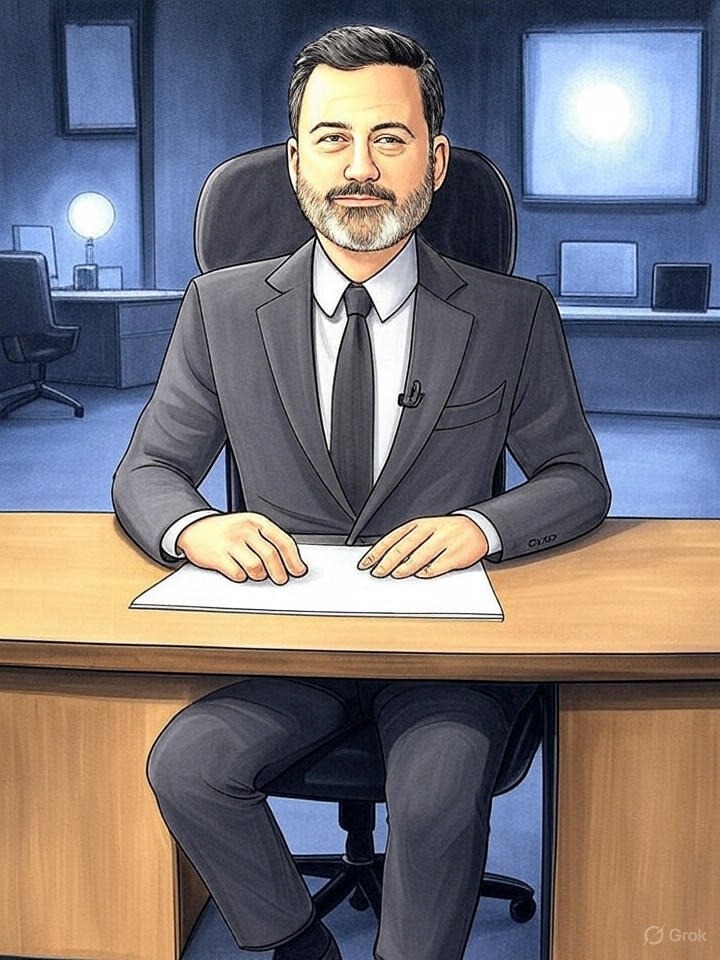
• An official threatened his employer over his remarks. Kimmel characterized Federal Communications Commission (FCC) Chair Brendan Carr as an official who had threatened his employer, ABC. This stems from comments Carr made in September about how the network handled Kimmel's suspension.
• There was no accountability at the Senate hearing. The late-night host stated his belief that no one would be held accountable for Carr's actions. Kimmel claimed that during the Senate Commerce Committee hearing, no Republicans confronted the FCC Chair and nothing was done to prevent a similar situation from happening again.
• Free speech protections are being applied selectively. According to Kimmel, freedom of speech is only guaranteed depending on its content. He voiced this opinion after the Senate hearing, implying that his speech was targeted by a government official because of what he said.
How it may affect me
As a U.S. reader:
• The controversy may lead broadcasters to change or self-censor on-air content to avoid perceived threats from government officials regarding their licenses.
• This incident could trigger future policy debates about the extent of the FCC's authority to regulate broadcast content and influence media companies' programming decisions.
• Bipartisan criticism of the official’s actions highlights concerns about government overreach, which could influence future appointments and policy regarding media regulation.