
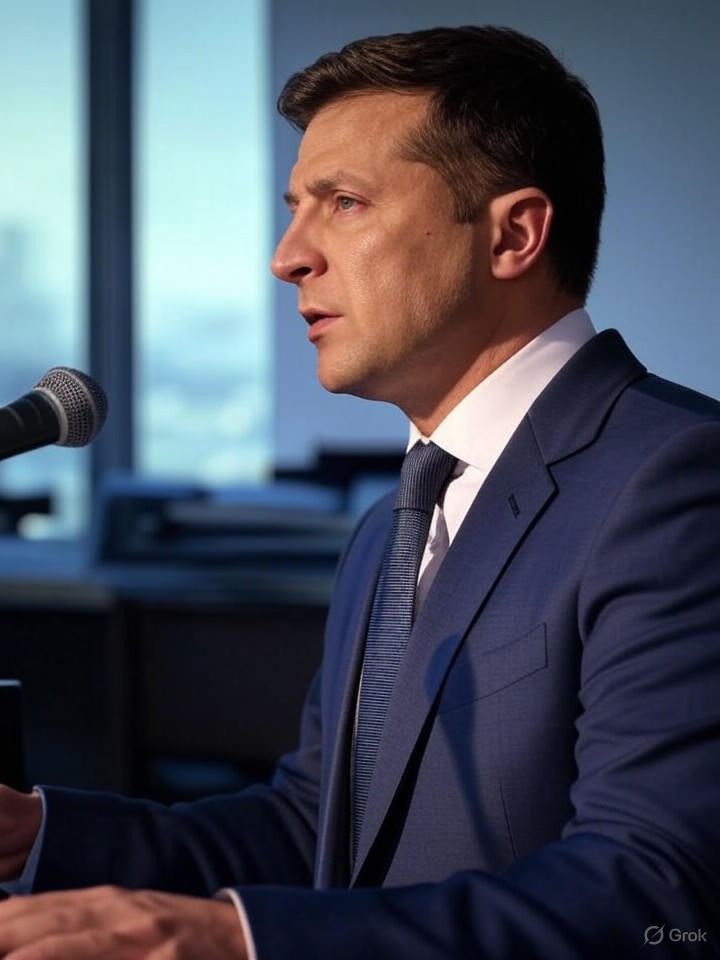
• A willingness to compromise by renouncing NATO ambitions. Ukrainian officials, led by President Volodymyr Zelenskyy, have proposed abandoning the country's long-term goal of joining the NATO alliance. This offer, described by Zelenskyy as a compromise, was put forward during recent peace talks as a central component of a potential deal to end the war.
• A demand for robust, "Article 5-like" security guarantees. In exchange for dropping its NATO bid, Ukraine is demanding strong security assurances from the United States and its allies. These guarantees are described as being similar to NATO's Article 5, implying a desire for a formal commitment from other nations to provide military assistance if Ukraine is attacked again.
• A firm refusal to cede any Ukrainian land. While open to compromising on NATO membership, President Zelenskyy has maintained that Ukraine will not cede any of its territory. This non-negotiable stance on land makes territorial disputes a primary unresolved issue standing in the way of a final peace agreement.
How it may affect me
As a U.S. reader:
• A security guarantee for Ukraine would require Congressional approval, potentially creating a new military commitment for the United States similar to a NATO defense pact.
• The proposed agreement includes economic provisions. While a resolution could affect international financial stability, the article does not specify any direct impacts on U.S. households.
• The ultimate impact on the U.S. is unclear, as a final deal is not guaranteed. Key issues like territorial disputes and security guarantees remain unresolved.