
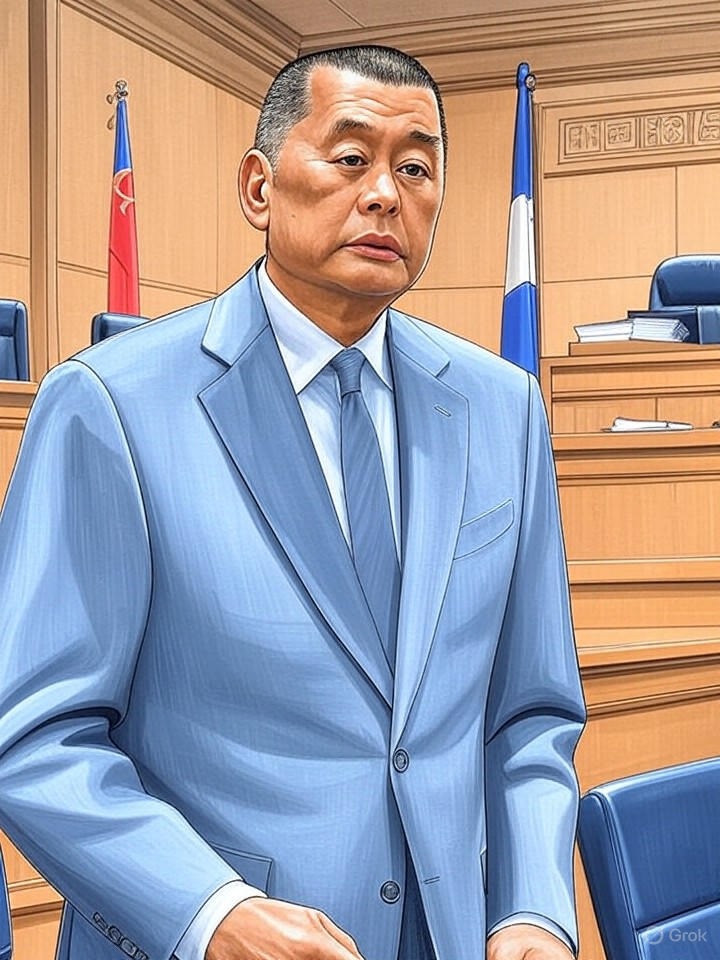
• Lai was found guilty of conspiring with foreign forces. Prosecutors alleged that Lai conspired with executives from his newspaper to request foreign sanctions, referencing his 2019 meetings with former U.S. officials. The court's judgment found that Lai and his publication had indeed requested that a foreign country impose sanctions or other hostile activities against Hong Kong or China.
• His publications were deemed seditious and hostile to the government. In addition to the collusion charge, Lai was convicted of conspiracy to publish seditious materials. A judge presiding over the case stated that Lai had extended a "constant invitation" to the United States to assist in bringing down the Chinese government.
• His actions were described as malicious and harmful to the country. Following the verdict, Hong Kong's leader, John Lee, asserted that Lai acted with malicious intentions and harmed the country's interests. Echoing the sentiment of judicial sovereignty, a spokesperson for Beijing's Foreign Ministry urged other nations to respect Hong Kong's legal system.
How it may affect me
As a U.S. reader:
• The conviction, linked to Lai's meetings with U.S. officials to request sanctions, may heighten diplomatic and economic tensions between the U.S. and China.
• This case could create uncertainty for U.S. citizens engaging in political advocacy or journalism in Hong Kong, given the charge of colluding with foreign forces.
• The verdict may influence future U.S. policy regarding interactions with international activists, as Lai's conviction was tied to meetings with former U.S. officials.