
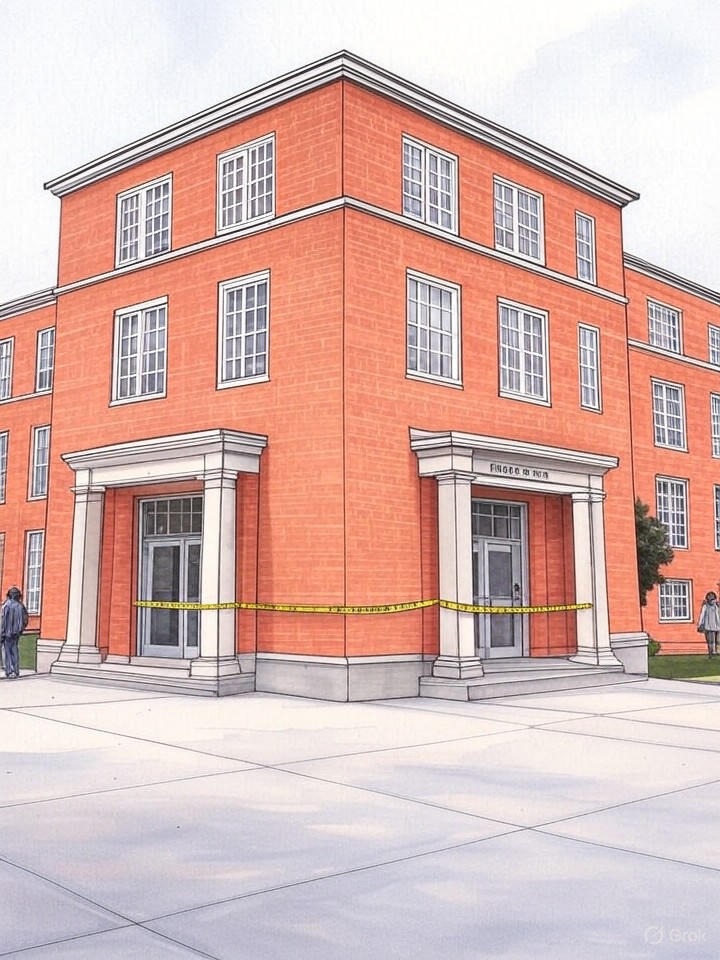
• A manhunt is underway for the at-large suspect. The shooting, which occurred inside an engineering building at Brown University, left two students dead and nine injured. Authorities have stated that the gunman who opened fire remains at large, and a search is ongoing.
• Authorities are seeking public assistance in the investigation. To aid in the search, law enforcement has released surveillance video showing a person of interest who was seen near the campus. The mayor of Providence has also publicly urged anyone with information to submit it to investigators.
• An early person of interest has been cleared by investigators. A person of interest was taken into custody on Sunday, the day after the shooting. However, this individual was released later that night after Rhode Island's attorney general stated that the evidence pointed in a different direction.
How it may affect me
As a U.S. reader:
• A manhunt for the at-large shooter in Providence creates a regional public safety risk, as authorities are asking the public for assistance with the investigation.
• Scrutiny over Brown's delayed emergency alert and silent sirens may prompt other U.S. universities to review their own campus safety and communication procedures.
• The cancellation of all remaining classes and exams at a major university shows how these incidents can abruptly disrupt the academic year for students and faculty.