
• The administration is taking responsibility and implementing corrective measures. Governor Tim Walz stated he accepts "full responsibility" for the fraud and has launched a new statewide fraud prevention initiative. This new program integrity office will be led by a former FBI agent, and Walz has also ordered audits of 14 high-risk state social programs to prevent future issues.
• External factors beyond the state's control contributed to the fraud. The governor cited the removal of federal "guardrails" during the pandemic as a key reason the fraud occurred on such a large scale. Furthermore, he noted that a court order blocked his administration's attempt to halt payments in 2021, suggesting they tried to intervene but were prevented from doing so.
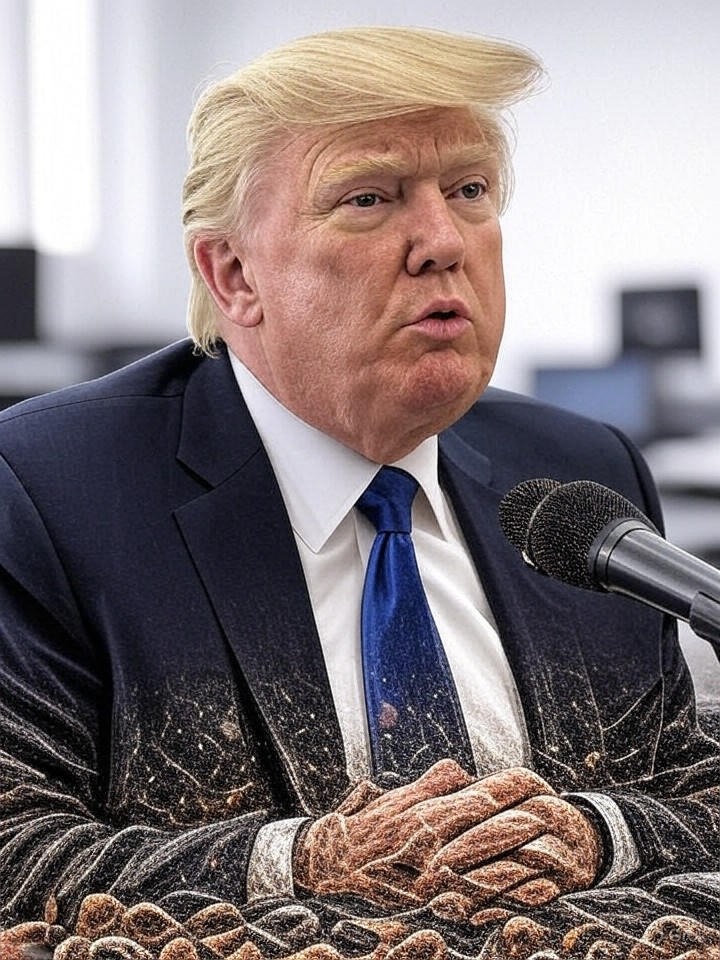
• Critics are using the scandal to make racially motivated attacks. Governor Walz described former President Donald Trump's renewed focus on the case and his criticism of Minnesota's Somali-American community as "racially motivated." This perspective suggests that some criticism is not focused on accountability but is instead unfairly targeting a specific community for political gain.
How it may affect me
As a U.S. reader:
• The diversion of $250 million in federal funds may lead to stricter oversight and rules for government social programs to prevent future fraud.
• A federal investigation into whether funds reached a terrorist group could lead to increased law enforcement scrutiny, framed as a national security issue.
• Future emergency relief legislation may face greater scrutiny and slower passage as lawmakers become more cautious about potential fraud after this case.