
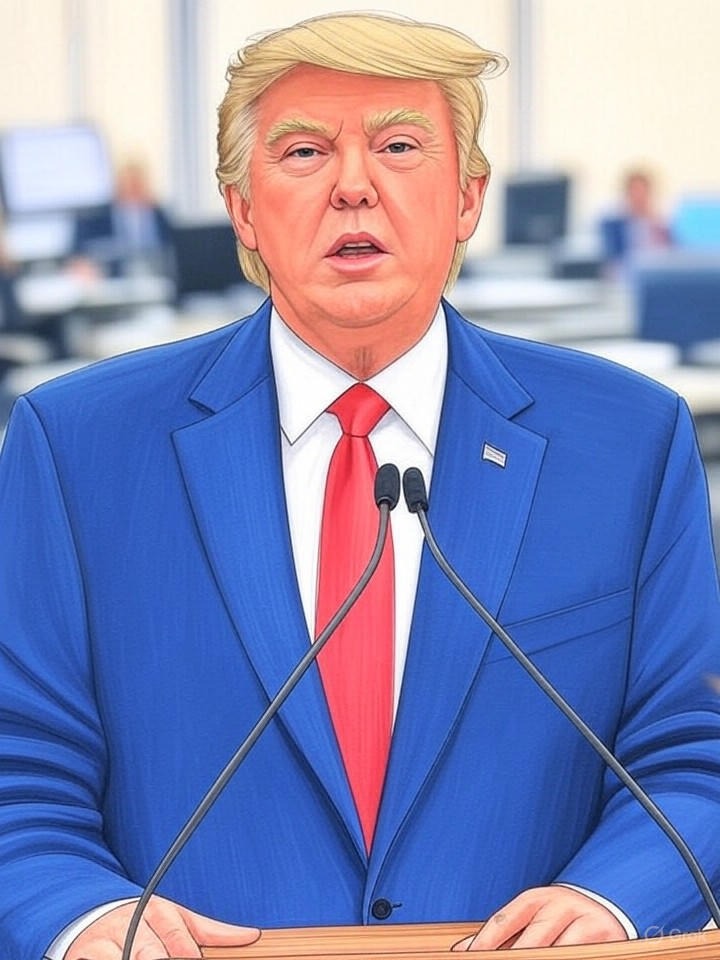
• The U.S. is urgently seeking an end to the conflict. A White House spokesperson confirmed that President Trump is "extremely frustrated with both sides" and wants action, not more meetings. This push for a resolution is evidenced by the over 30 hours of meetings U.S. officials have held with Russian, Ukrainian, and European counterparts in the last two weeks.
• The American and Russian positions show signs of alignment. The U.S. has a new national security strategy that aims to reestablish strategic stability with Russia, which a Kremlin spokesperson described as "largely consistent" with Moscow's vision. The article notes that President Trump claimed Russia was "fine with" a U.S. peace proposal, and Russia's foreign minister stated that Moscow appreciates Trump's desire for dialogue.
• A proposed peace plan reportedly involves Ukrainian concessions. According to reports cited in the article, the White House and Moscow secretly created a 28-point plan that involves Ukrainian territorial concessions. This suggests a path to peace centered on a negotiated settlement where Ukraine might have to cede land to end the war.
How it may affect me
As a U.S. reader:
• The new diplomatic direction could alter long-standing U.S. relationships with European allies, who are shown to be countering the proposed peace plan for Ukraine.
• A stated policy goal of reestablishing "strategic stability with Russia" may change the security and military relationship between the two nations, though the outcome remains uncertain.
• The ultimate impact of these peace talks is speculative, as any final agreement depends on resolving major disagreements over territory and security guarantees.