
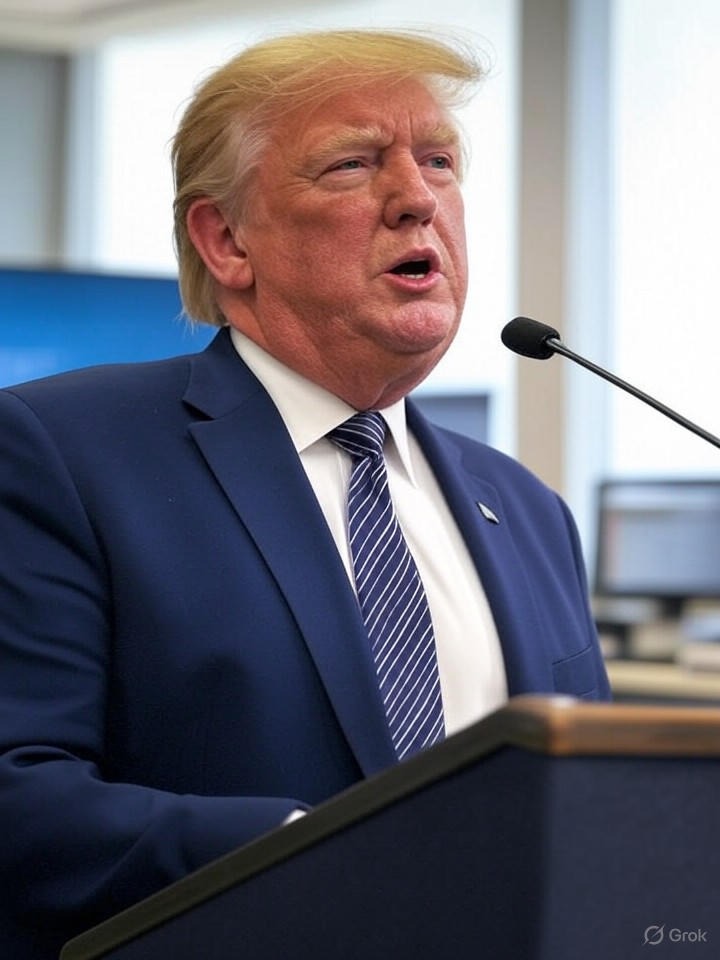
• U.S. officials have linked the pressure campaign to counter-narcotics efforts. U.S. Treasury Secretary Scott Bessent accused the Maduro government and its associates of flooding the United States with drugs. President Trump was also cited as justifying recent deadly strikes on alleged drug-smuggling boats by stating the U.S. is in an "armed conflict" with drug cartels.
• Sanctions specifically target individuals with past narcotics convictions. Two of President Maduro's nephews, who were sanctioned by the Treasury Department, had previously been convicted on U.S. narcotics charges in 2016. While they were released in a 2022 prisoner exchange, their inclusion is consistent with the administration's stated focus on drug trafficking.
• The financial measures are part of a stated pressure campaign on the Maduro government. A White House statement described the sanctions as part of an effort to increase pressure on the Maduro government. The stated purpose of the Treasury Department's actions is to deny the targeted individuals, firms, and vessels access to the U.S. financial system.
How it may affect me
As a U.S. reader:
• Increased military posture and discussion of potential land operations suggest a risk of escalating U.S. armed involvement in the Venezuelan region.
• The government's actions are stated to be part of a counter-narcotics effort, which may affect the flow of illegal drugs into the U.S.
• The U.S. is seizing a tanker's oil cargo, though any direct impact this economic action might have on domestic consumer markets is currently unclear.