
• The party advocates for extending the existing health subsidies. A Democratic-led bill proposed extending the enhanced Affordable Care Act (ACA) subsidies for an additional three years. This measure was intended to prevent the subsidies from expiring at the end of the year, a scenario that would directly impact millions of Americans.
• Inaction will lead to significant cost increases and loss of coverage. Without congressional action, health insurance premiums are expected to rise sharply. According to a KFF research group estimate, the average annual premium for those receiving subsidies would more than double, while the Congressional Budget Office projected 4 million fewer people would be insured by 2034.
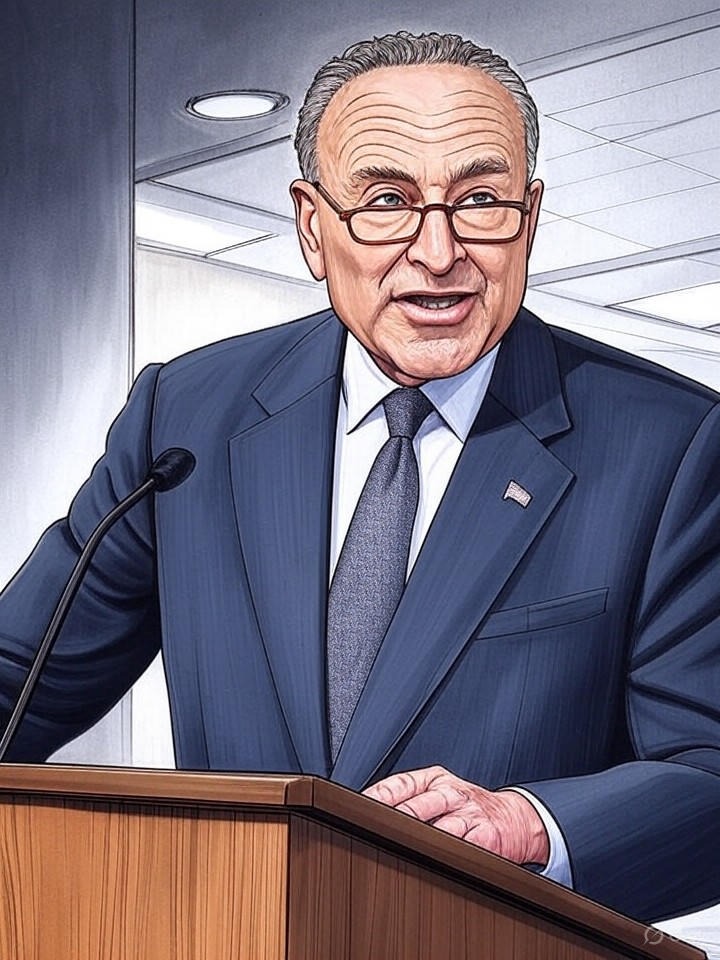
• Party leadership holds Republicans responsible for the legislative failure. Following the failed votes, Senate Minority Leader Chuck Schumer stated that the responsibility for the impending premium hikes lies with the Republican party. This positions the outcome as a direct result of Republican opposition to continuing the current subsidy program.
How it may affect me
As a U.S. reader:
• Roughly 22 million people with subsidized health plans may see their annual insurance premiums more than double in 2026 if no legislative action is taken.
• The number of uninsured people could increase by 4 million by 2034 if the subsidies lapse, according to a Congressional Budget Office estimate.
• The final impact on healthcare costs remains uncertain, as lawmakers are still discussing solutions and the White House has pledged unspecified action before the deadline.