
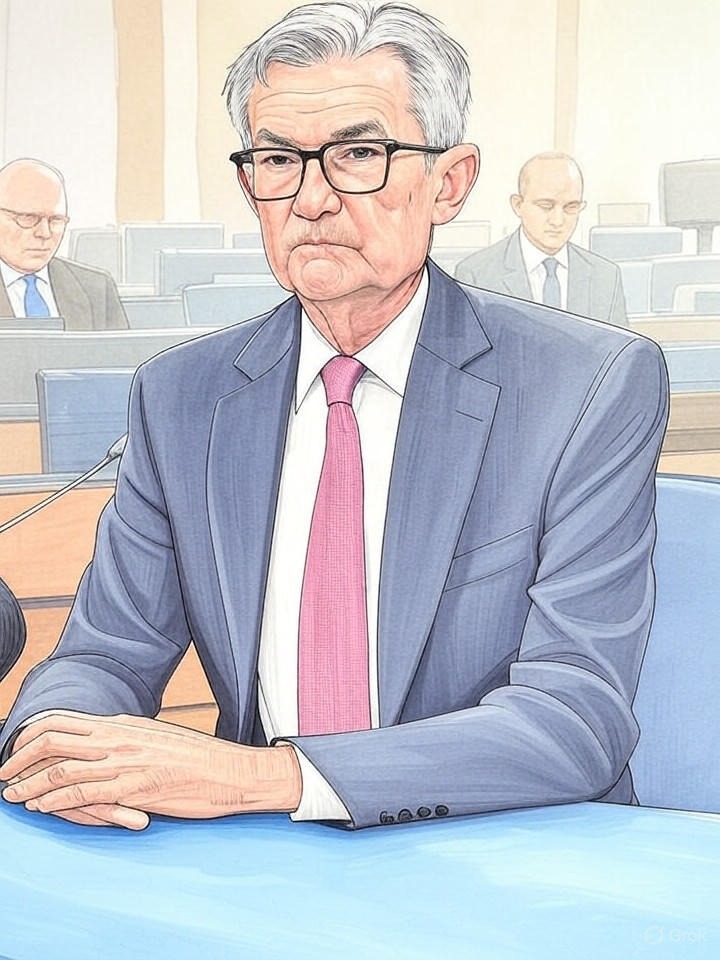
• The Federal Reserve is expected to cut interest rates to support the economy. Market indicators suggest a high probability that the central bank will announce a quarter-percentage-point reduction at its next meeting. This anticipated move signals a belief that easing monetary policy is the appropriate step to address the current economic outlook.
• Some Fed members aim to prevent further weakness in the labor market. A faction within the rate-setting committee is focused on using policy tools to bolster employment. Their goal is to act preemptively to keep the labor market from deteriorating, suggesting a focus on growth and stability over other concerns.
• A majority of survey respondents believe the next Fed chair will be more inclined to lower rates. According to one poll, there is a widespread belief that the next leader of the central bank will pursue a more accommodative stance than the current chair, Jerome Powell. This indicates an expectation among observers for a future policy direction that prioritizes lower interest rates.
How it may affect me
As a U.S. reader:
• An expected interest rate cut could soon lower borrowing costs for new mortgages, auto loans, and credit cards, making it cheaper to take on debt.
• Your cost of living may continue to rise, as inflation is expected to remain above the Fed's 2% target for at least the next two years.
• Division within the Fed over fighting inflation versus protecting jobs creates policy uncertainty, which could impact future job availability and the prices you pay.