
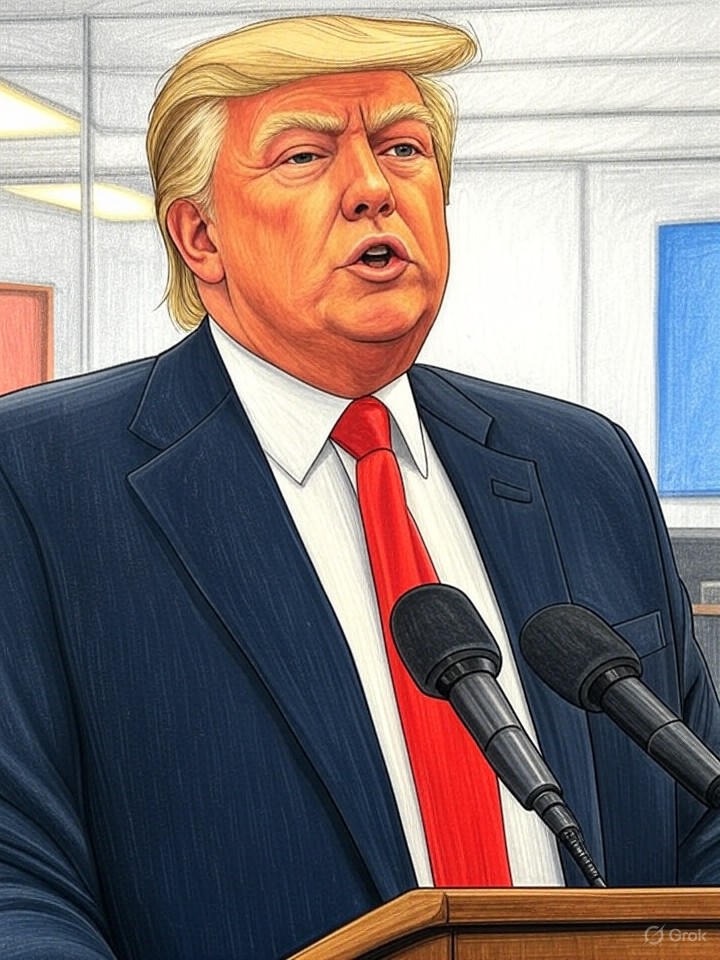
• The proposed map aims to maximize the party's congressional representation. The plan is explicitly designed to alter Indiana's U.S. House delegation from its current 7-2 Republican majority to a 9-0 Republican sweep. This move is part of a larger national strategy to increase the Republican majority in the U.S. House before the 2026 elections.
• The effort has the backing of prominent national party leaders. Former President Donald Trump has endorsed the map and is leading the national campaign of which this is a part. Additionally, Vice President JD Vance has visited Indiana to show support for the plan, demonstrating high-level backing for the state-level initiative.
• Proponents are using political pressure to secure the map's passage. To overcome opposition, President Trump has threatened to support primary challenges against lawmakers who block the new map. Allied groups are also actively involved, running ads and holding rallies to pressure state senators into voting in favor of the redistricting plan.
How it may affect me
As a U.S. reader:
• Changes to congressional maps in states like Indiana can alter the U.S. House's balance of power, which influences the passage of national laws.
• The proposed map is designed to make congressional races less competitive, potentially making election outcomes in affected districts more predictable and reducing voter choice.
• Reported threats like swatting incidents against lawmakers can divert emergency resources from the public and signal heightened political tensions affecting community safety.