
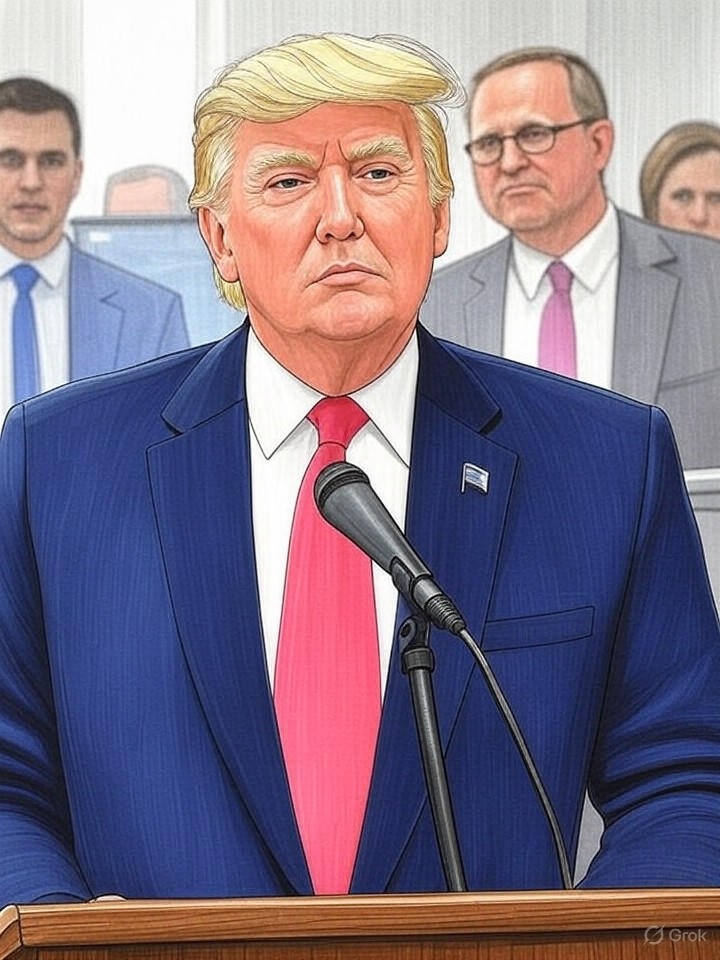
• The policy is a balanced approach that benefits the U.S. economically and diplomatically. The U.S. government will receive 25% of the revenue from Nvidia's H200 chip sales to approved Chinese customers. Nvidia's spokesperson praised the decision as a "thoughtful and beneficial balance," and the company's shares rose after the announcement. Furthermore, one analyst viewed the move as a sign of improving U.S.-China relations, which is supported by a positive response from China's foreign ministry and a planned presidential visit.
• National security is maintained through specific limitations on the sales. President Trump stated the sales will be conducted under conditions that protect national security. The agreement is limited and explicitly excludes Nvidia's more advanced Blackwell and Rubin chip systems, ensuring China does not gain access to the most cutting-edge U.S. technology.
• The new approach is superior to previous, less effective export restrictions. The president characterized the previous policy, which required companies to create less powerful products for export, as a "terrible idea." This new policy marks a shift away from what the administration considers a flawed strategy, establishing a new model that will be applied to other U.S. chip companies.
How it may affect me
As a U.S. reader:
• The U.S. government will receive 25% of the revenue from these specific chip sales to China, which will contribute to federal funds.
• Investors in Nvidia and other U.S. chip companies may see stock value changes, as the policy is expected to affect company revenues.
• The policy's long-term effect on U.S. technological leadership and national security is unclear, as experts are divided on its strategic consequences.