
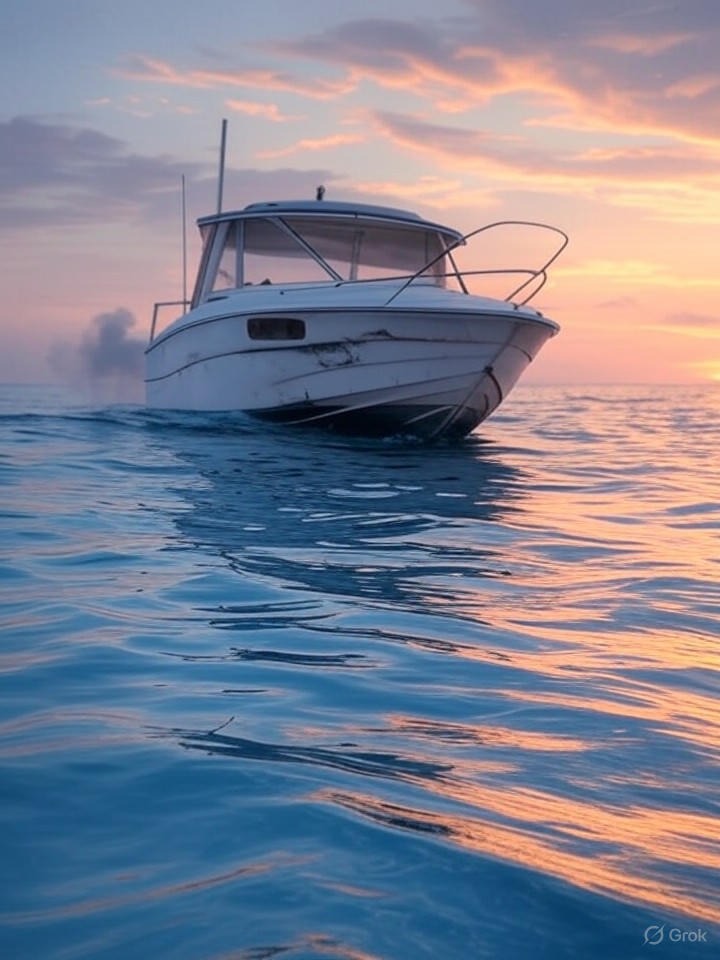
• The military strike targeted incapacitated and unarmed survivors. Representative Adam Smith, who viewed the classified footage, stated that the video shows the suspected drug boat was already incapacitated before a second strike occurred. Smith and Representative Jim Himes asserted that the two survivors who were killed were unarmed, posed no threat, and were described as "barely alive."
• An order to kill incapacitated individuals could constitute a war crime. Citing reports about the September 2 incident, Democratic Senator Jacky Rosen stated that an order to execute survivors who were incapacitated could be considered a potential war crime. Lawmakers who viewed the footage have questioned the legality of the military's actions based on what they saw.
• The strikes lack congressional authorization and transparency. Some Democratic lawmakers and legal experts have raised concerns that these military operations are being conducted without specific authorization from Congress. These critics have called for the public release of the classified video depicting the incident to provide transparency about the military's actions.
How it may affect me
As a U.S. reader:
• This military policy is intended to disrupt drug trafficking, which could affect the future supply and availability of illicit drugs within the United States.
• The dispute over congressional authorization for these strikes could set a precedent for future U.S. military operations against non-state actors without legislative approval.
• The debate over whether the military's actions constitute a potential war crime may lead to a re-evaluation of U.S. military rules of engagement.
• The political conflict over releasing the classified video will influence the level of public transparency regarding the military’s conduct in counter-narcotics operations.