
Markets Anticipate Federal Reserve Rate Cut as Mortgage Rates Hold Near 3-Year Lows

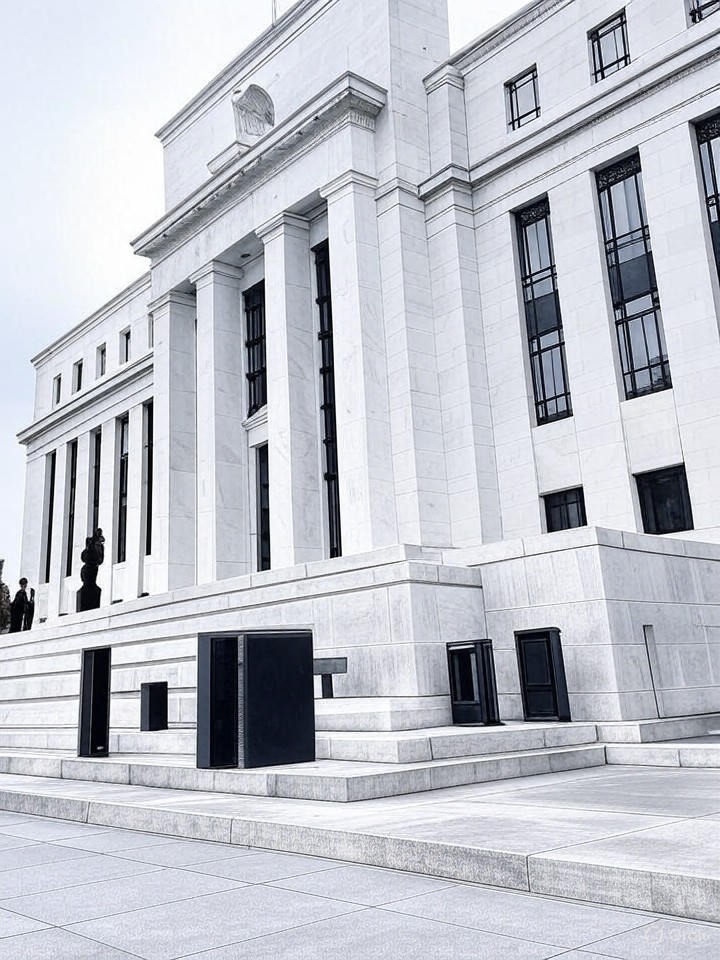
Illustration for: Markets Anticipate Federal Reserve Rate Cut as Mortgage Rates Hold Near 3-Year Lows
AI-generated illustration. Visual interpretation does not represent real individuals or scenes.

THE BARE STORY

The Federal Reserve is widely expected to announce an interest rate cut at its upcoming meeting on December 10. This potential action would continue a rate-cutting campaign that began in late 2024 and would mark the third such reduction in the last four months.

Ahead of the Fed's decision, mortgage rates have remained stable and near multi-year lows. On December 5, the average rate for a 30-year fixed mortgage was 5.99%, while a 15-year fixed mortgage averaged 5.37%. These figures are significantly lower than rates that were often above 7% as recently as January 2025. The anticipation of a cut is reportedly high, with the CME Group's FedWatch tool indicating a probability of just under 90% for a cut as of December 4. The expectation is driven by economic indicators, with reports citing an unemployment rate at its highest since October 2021 and a loss in private-sector jobs.

The relationship between central bank actions and mortgage rates has been complex. In recent instances, mortgage rates have tended to fall in the days leading up to a Fed announcement rather than after. In both September and October of 2025, average mortgage rates reportedly dropped to a three-year low just before the central bank announced 25-basis-point cuts.

For consumers, the current environment may present opportunities. With purchase mortgage rates under 6%, some prospective homebuyers may find market entry more affordable. For existing homeowners, average refinance rates have also declined, which could offer savings for those with higher-rate mortgages. It is noted, however, that those considering refinancing should account for closing costs to ensure the long-term savings outweigh the initial expense.

Same Facts. Different Perspectives.

Two AI models. Two viewpoints. One factual foundation.

• The primary effect on mortgage rates may have already happened. The article notes a complex relationship, where mortgage rates have recently tended to fall in the days leading up to a Fed announcement, not after. For example, in both September and October, average mortgage rates dropped to a three-year low just before the central bank announced its cuts, suggesting the market prices in the move ahead of time.

• Current low rates create opportunities for some consumers. The environment is presented as potentially advantageous for households. With purchase mortgage rates holding below 6%, some prospective buyers may find entering the housing market more affordable. Similarly, declining average refinance rates could offer a chance for existing homeowners to reduce their monthly payments.

• The benefits of refinancing require careful consideration. While refinancing is presented as an opportunity, the article includes a significant caution. It advises that homeowners considering this option must account for closing costs. This is to ensure that the long-term savings from a lower interest rate will ultimately outweigh the initial expenses of the transaction.

How it may affect me

As a U.S. reader:

• Prospective homebuyers may find market entry more affordable, with 30-year mortgage rates holding near multi-year lows of around 6%.

• Homeowners with higher-rate mortgages may be able to lower payments by refinancing but should weigh potential long-term savings against upfront closing costs.

• Mortgage rates may not drop further after the Fed's announcement, as they have recently tended to fall in the days leading up to a decision.

• The anticipated rate cut reflects a weakening job market, with reports citing the highest unemployment rate since October 2021 and a loss in private-sector jobs.

Read the story at

Note: All TheBareNews content is AI-generated. For additional context, reporting, and updates, you are invited to explore the news outlets linked above.