
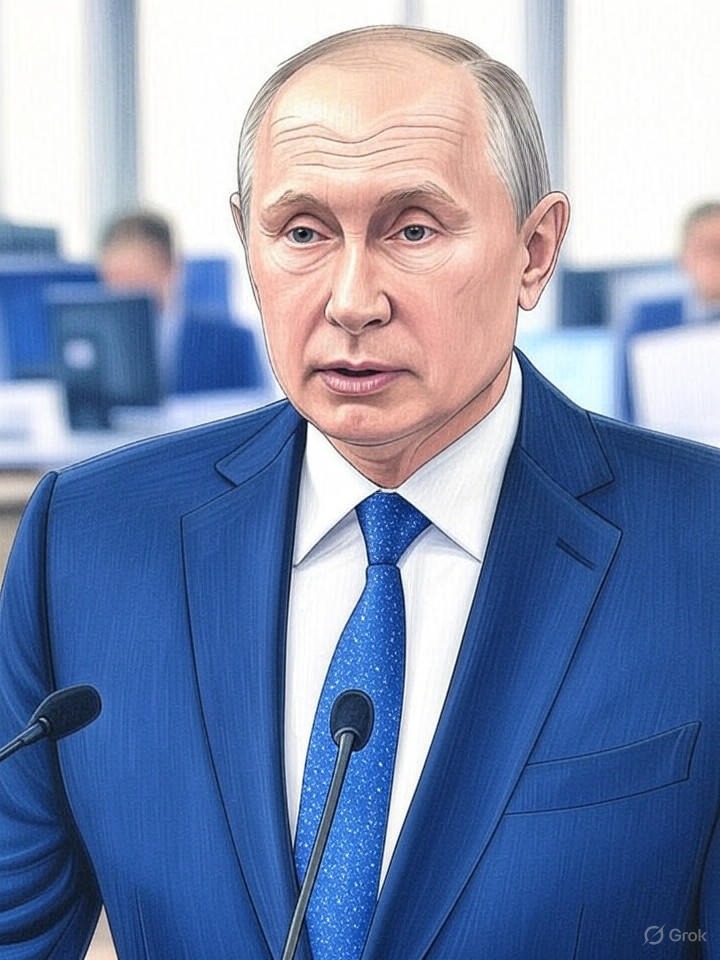
• High-level talks are being pursued to find a solution. U.S. envoys Jared Kushner and Steve Witkoff engaged in a five-hour meeting with Russian President Vladimir Putin in Moscow. The discussion was part of a White House initiative focused on brokering an agreement to end the nearly four-year conflict in Ukraine.
• Both sides describe the discussions as substantive, despite a lack of resolution. A senior aide to Putin, Yuri Ushakov, characterized the conversation as "useful and substantive," and noted that some U.S. proposals were "more or less acceptable." Although he confirmed the parties were no closer to a final resolution, the nature of the talks suggests a continuing channel for negotiation.
• Russia places blame on European nations for obstructing peace efforts. Ahead of the meeting, President Putin accused America’s European allies of hindering the peace process. He stated that Russia was "ready for war" if Europe desired one, framing the diplomatic track as an alternative to a wider conflict that others were allegedly blocking.
How it may affect me
As a U.S. reader:
• The U.S. proposal for Ukraine to cede territory, if pursued, could establish a new precedent for American foreign policy and relations with international allies.
• Allegations of Russian sabotage and threats of war against European nations could increase the risk of a wider conflict, potentially involving U.S. treaty obligations with NATO.
• A lack of a diplomatic breakthrough means the conflict will likely continue, extending uncertainty for U.S. foreign policy and long-term strategy regarding the region.